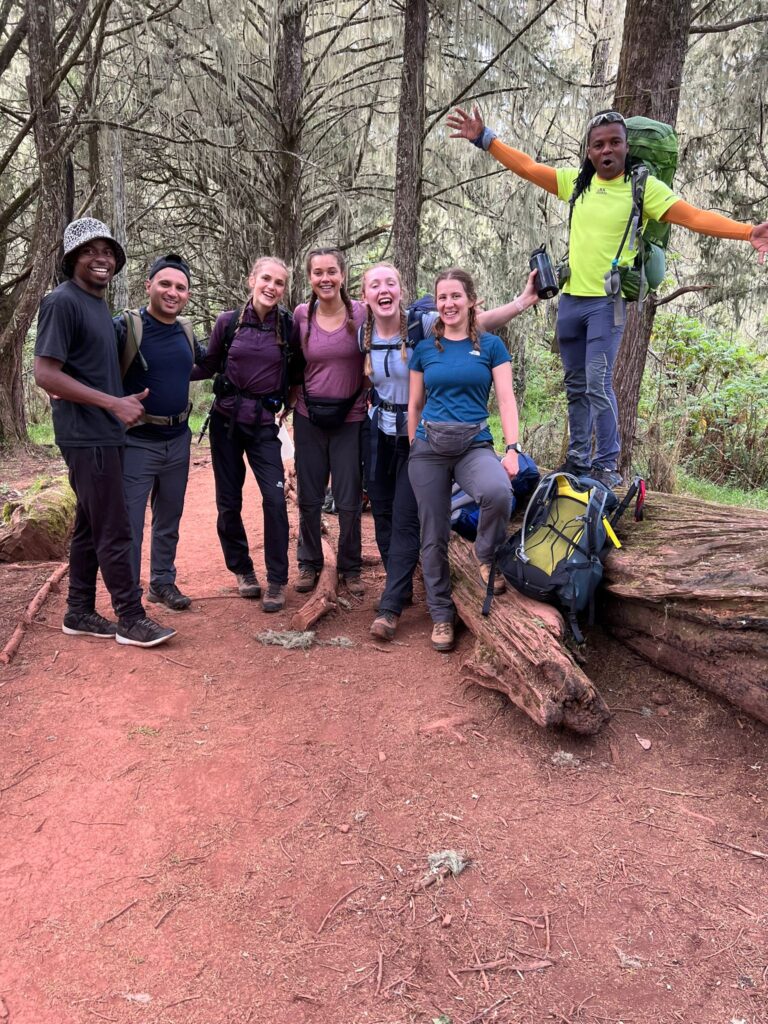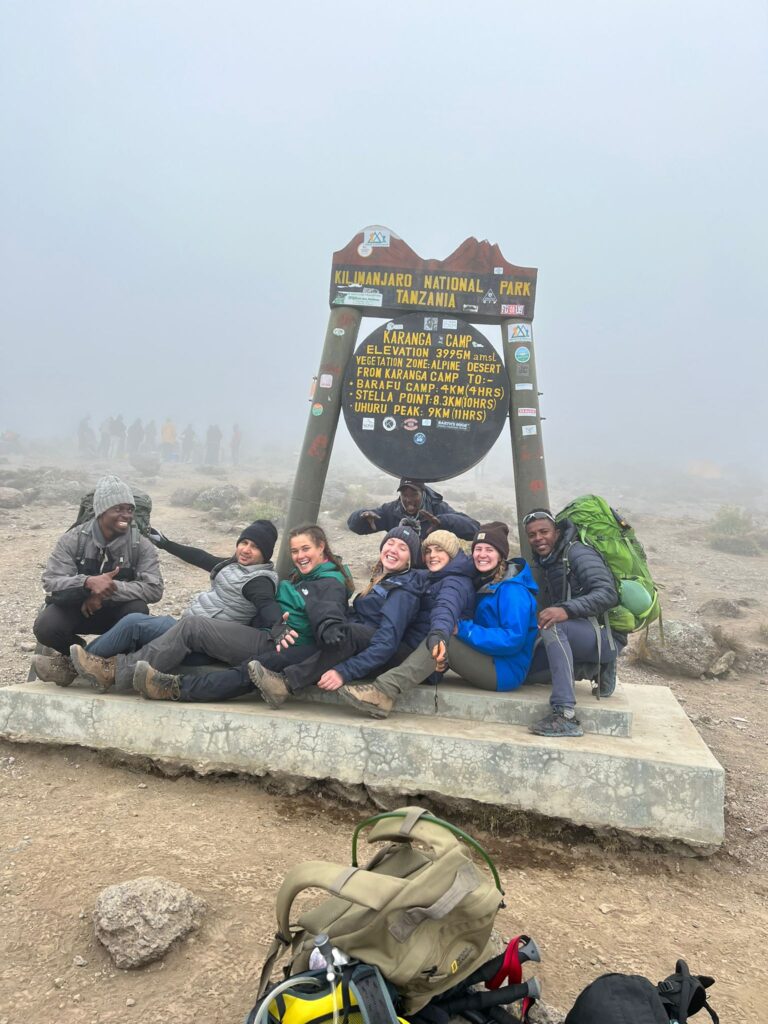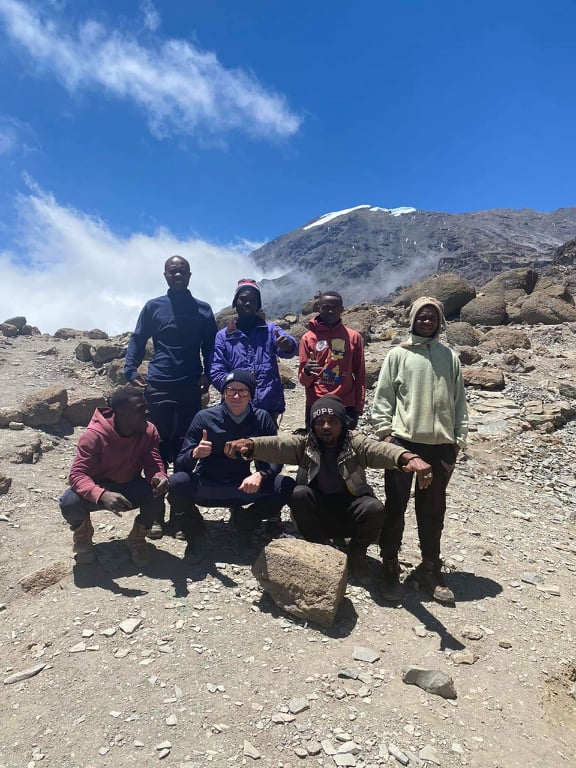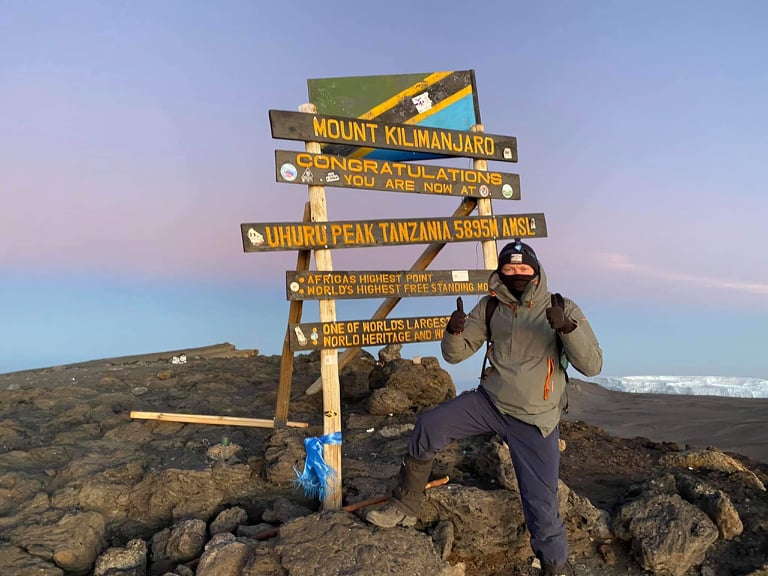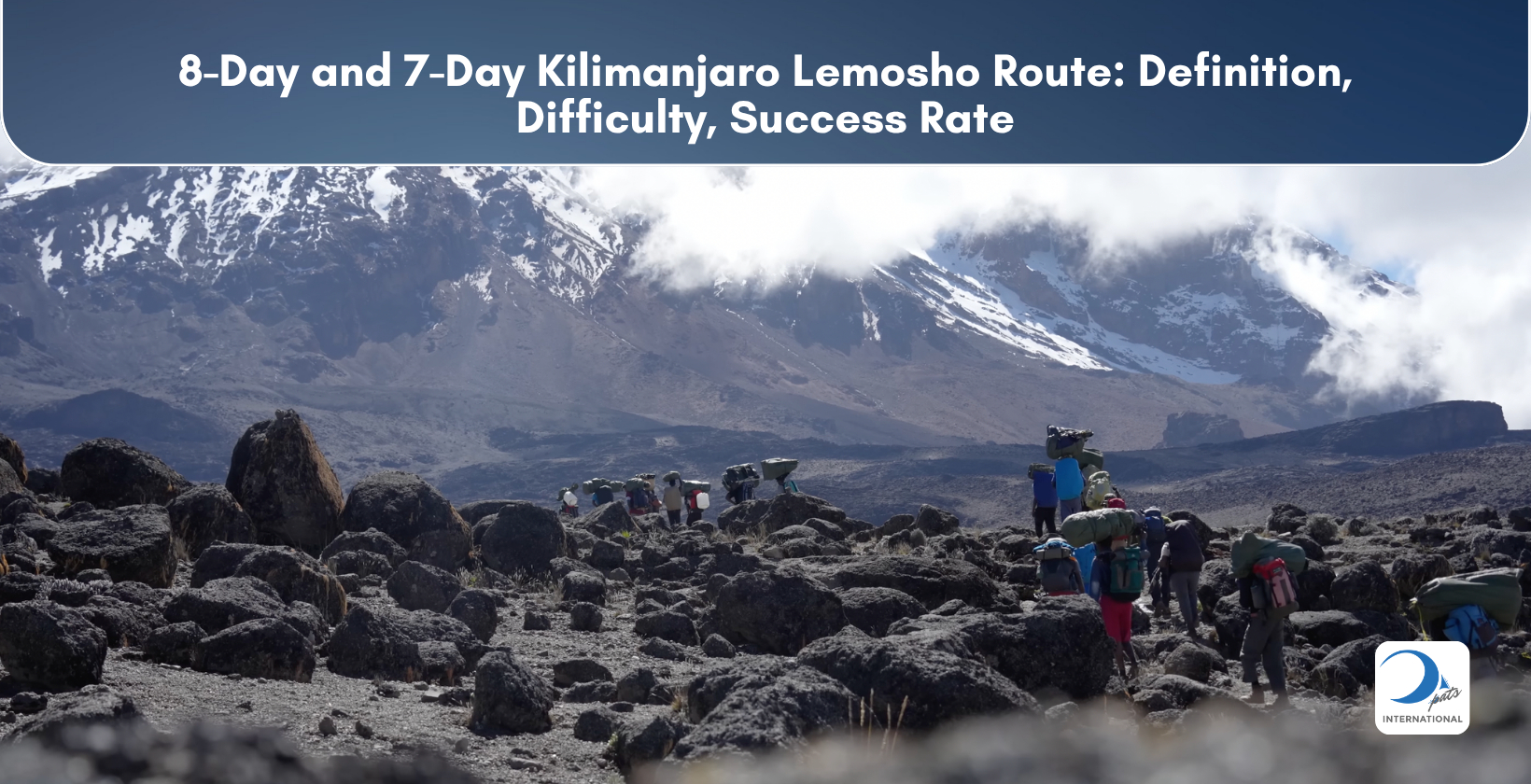
The Lemosho Route is one of the longest routes up Mount Kilimanjaro. It is widely regarded as one of the most successful trails on Kilimanjaro. The Lemosho route is deemed moderately difficult due to its distance and elevation gain. The 7-day Lemosho climb has a success rate of around 96%. The 8-day Lemosho has one of the highest success rates, about 98%.
What Are Your Chances of Reaching the Summit of Kilimanjaro?
We've calculated your personalized summit success score, recommended route, and training plan. Enter your details below and we'll send it straight to your inbox.
Enter your details and we'll email your personalized summit success score, recommended route, and training plan.
🔒 No spam. Your details are kept private and never shared.
Check your inbox!
Find your personalized assessment plan.
- What is the 8-Day and 7-Day Lemosho Route on Mount Kilimanjaro?
- What are the differences between the 7-day and 8-day Lemosho itineraries?
- Is the 7-day Lemosho Route harder than the 8-day Lemosho Route?
- What is included in the 8-day Lemosho Route itinerary?
- What is the success rate of the Lemosho Route (7 vs 8 days) on Mount Kilimanjaro?
- Is the 7-day Lemosho Route the best option for climbing Mount Kilimanjaro?
- Is the 8-day Lemosho Route more expensive than the 7-day route?
What is the 8-Day and 7-Day Lemosho Route on Mount Kilimanjaro?
The Lemosho Route is one of the lesser-known routes on Mount Kilimanjaro that is becoming more popular. It is often deemed the most beautiful of all trekking trails up Kilimanjaro and is the most diverse in terms of landscapes and ecological systems. The route starts on the western slope, approaches the mountain from the west side, and crosses the entire Shira Plateau from west to east in a relatively flat and pleasant hike. It is available in 6, 7, and 8 day itineraries, but the 8-day Lemosho Route is the standard and ideal schedule for this route, providing ample time for proper acclimatization. The 7-day Lemosho Route is a shortened variation of the standard itinerary and is recommended only for experienced climbers.
The 8-day Lemosho Route trek covers a total distance of around 70 km (46 miles) and the descent goes via the Mweka route. This itinerary breaks the trek from Barranco Camp to Barafu Camp into two days, allowing a short day prior to the summit attempt and giving your body more time to acclimatize. The 8-day option uses Kosovo Camp as High Camp at an elevation of 16,076 feet/ 4900m. Due to this, the 8-day Lemosho route has a summit success rate of 98% and is recommended for most trekkers. Itineraries include 2 nights’ hotel stay and overnight accommodation in two-man tents; single travellers usually share a tent with another group member of the same gender. Groups are accompanied by an armed ranger on the first day because forests around the Lemosho Glades are inhabited by wildlife like elephants and buffaloes.
The 7-day Lemosho Route is a shorter variation that combines days five and six, going from Barranco Camp to Barafu Camp without staying at Karanga, and it skips the Moir Hut acclimatization day. This makes the climb more difficult, as climbers are sleep deprived going into the toughest day on the mountain. The 7-day tour covers around 56 km (35 miles) and has a success rate of about 96%, which is why it is only advised for those with experience with altitude. Both the 8-day and 7-day Lemosho routes follow the same trail for the first four days, join the Machame route near Lava Tower, and offer a great acclimatization profile with a gradual ascent that makes for a safer and more comfortable climb. Crowds are low until the route joins the Machame route. The Lemosho route stands out for its scenic beauty, strategic acclimatization, and high summit success, so Kilimanjaro tours offering the 8-day Lemosho route deliver a complete experience designed for safety and summit success.
What are the differences between the 7-day and 8-day Lemosho itineraries?
The differences between the 7-day and 8-day Lemosho itineraries are given in the table below.
| Aspect | 7-day Trail | 8-day Trail |
| Length | 7 days | 8 days |
| Distance | 56 km (34.8 miles) | 70 km (43.5 mi) |
| Altitude | 12,500 ft (3810 m) | 13,800 ft (4206.24 m) |
| Range | 16,000 ft (4876.8 m) | 16,000 ft (4876.8 m) |
| Elevation | 2250m | 2250m |
| Acclimatization | Less | More |
The 8-day Lemosho trek has a slower, more relaxed pace, and the 7-day Lemosho route pushes through the mountain at a faster pace. Due to the extra day the 8-day itinerary adds more time for rest and recovery, which is why climbers feel better and have higher energy levels. The 7-day schedule requires climbers to manage longer days on the trail and has fewer recovery hours.
The 8-day Lemosho route adds an extra night at altitude and includes the section from Shira 1 to Moir Hut, which provides proper acclimatization. This allows the body to adapt better to high altitude. The 7-day Lemosho route variation skips Moir Hut acclimatization day. Because of this, the 8-day route reduces altitude-related symptoms. Success depends more on individual adaptation on the 7-day itinerary. The 8-day Lemosho has a higher summit success rate, approximately 98 percent, and more people reach the summit.
The daily distance and altitude gain differ. The 7-day Lemosho route covers around 34.8 miles (56 km), while the 8-day itinerary covers approximately 43.5 miles (70 km). However, the 8-day route adds shorter daily walking distances on key days. For example, on day 2, the 7-day itinerary hikes from Big Tree Camp to Shira Camp 2, which is a longer day. The 8-day itinerary breaks this into two days: Mti Mkubwa Camp to Shira Camp 1, then Shira Camp 1 to Shira Camp 2, which is a key acclimatization day. Due to the extra day, the 8-day itinerary provides a more gradual ascent and better sleep. That is why the 8-day Lemosho itinerary is suited for climbers wanting the highest possible summit success rate and a more enjoyable experience. If you are in good physical condition, the seven-day option is a strong choice, but the eight-day itinerary makes the mountain feel more manageable.

Is the 7-day Lemosho Route harder than the 8-day Lemosho Route?
Yes, the 7-day Lemosho Route is harder than the 8-day Lemosho Route. The 7-day variation is a shortened itinerary that goes from Barranco Camp to Barafu Camp without staying at Karanga. This schedule is cut, and that raises how hard you hike each day by about one fifth. The 7-day route pushes through the mountain at a faster pace, and the demand on the body is higher. The 7-day route has a summit success rate of around 96%, and the 8-day route has a success rate as high as 98%. For beginners, the 8-day Lemosho Route is recommended because it offers a more comfortable climb and a better acclimatization profile.
The 7-day Lemosho Route covers around 56 km (35 miles). The 8-day Lemosho route itinerary covers 70 km (43.5 miles). Due to the extra day, the 8-day route splits day 5 into two days, which includes Karanga Camp. The 7-day route effort per day is higher, and the daily walk on day 3 differs from the 8-day route.
The 7-day Lemosho Route requires climbers to adjust quickly to altitude, and the time to get used to the height is shorter. The 8-day Lemosho Route provides better acclimatization. On the 7-day route, stress on organs accumulates faster, and the force on the heart is greater. This raises difficulty.
What is included in the 8-day Lemosho Route itinerary?
The 8-day Lemosho route itinerary includes many services. The Trekking Package includes accommodations in two-man tents, full board meals, all national park fees, and drinking water. You are accompanied by a professional English-speaking Wilderness First Responder & CPR certified guide, porters, and receive a portable private toilet. The price includes pre- and post-accommodations (2 nights bed and breakfast), airport transfers, crew permits, and VAT. Due to the included equipment and complimentary oxygen cylinder, the climb is safer. The itinerary includes overnight stays at specific mountain camps. The camps provide two-man tents for all climbers, and single travellers share a tent with a group member of the same gender.
What is the success rate of the Lemosho Route (7 vs 8 days) on Mount Kilimanjaro?
The 7 day Lemosho route option has a success rate of around 96%. The 8 day Lemosho route has a success rate of over 96%. Acclimatization is critical because it increases chances of reaching the summit. The 8 day Lemosho Route provides ample time for proper acclimatization, which increases the chances of reaching the summit. The 8 day itinerary gives the best chance of making the summit and is recommended for most trekkers.

Is the 7-day Lemosho Route the best option for climbing Mount Kilimanjaro?
No, the 7-day Lemosho Route is not the best option for climbing Mount Kilimanjaro. The 8-day Lemosho route is preferred over the 7-day version. The 8-day itinerary uses Kosovo Camp and gives a 98% chance of reaching the summit safely. The 7-day variation does not stay at Karanga, which combines days five and six. This makes the summit night more challenging. The 7-day Lemosho route has a summit success rate of 96%.
The 7-day Lemosho route is one of the most popular paths on Kilimanjaro. It offers breathtaking scenery and a gentle climb. The route starts on the west side and merges with the Machame Route near Shira. Due to its excellent acclimatization, it allows climbers to adjust well to the altitude. For trekkers who are short on days, it is a good option. However, the 8-day Lemosho route is the better choice for the highest chance of summiting.
Is the 8-day Lemosho Route more expensive than the 7-day route?
Yes, the 8-day Lemosho Route is more expensive than the 7-day route. The longer duration means higher crew wages. The single biggest cost is the Kilimanjaro National Park fee, and longer duration means higher park fees. The 8-day route has an additional day of food and camping fees. So, the cost gap is from $300 to $700 per person. For example, XPATS International Travel charges $5324 for the 8-day Lemosho route for one traveler, while the 7-day Lemosho route costs $5029 for one traveler, a $295 difference. Packages charged for the 8-day Lemosho route is $3801 for groups of 8 or more, and the 7-day route costs $3506 for groups of 8 or more, a $295 difference. Costs start around $3000 and range up to $6000.

Got questions about this post?
Get free tips from John to help jumpstart your Kilimanjaro journey! Whether securing a travel visa or finding your ideal tourist destination to navigating through a list full of travel insurance policies, John will help you figure out the local tourism industry.
Chat with John