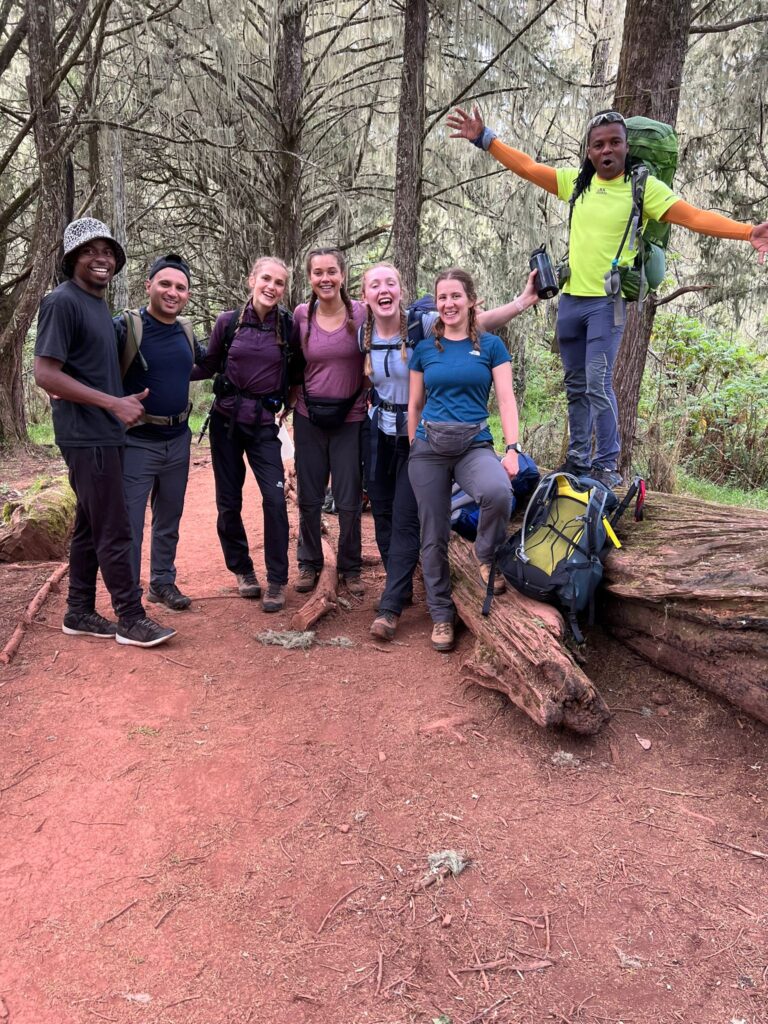
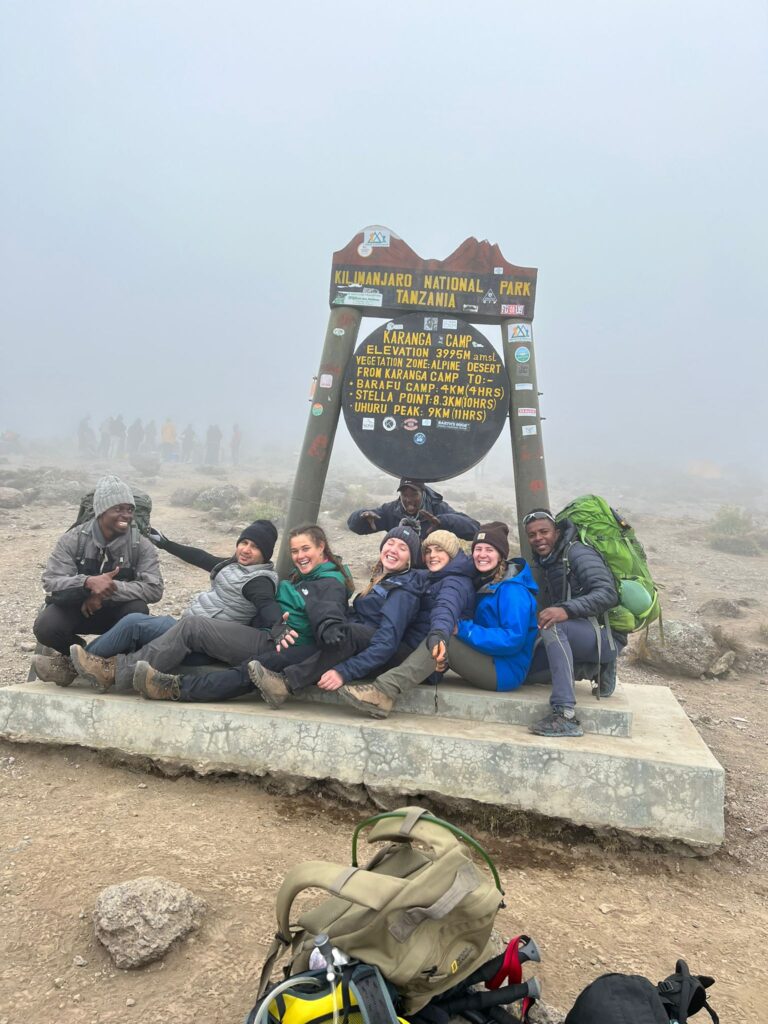
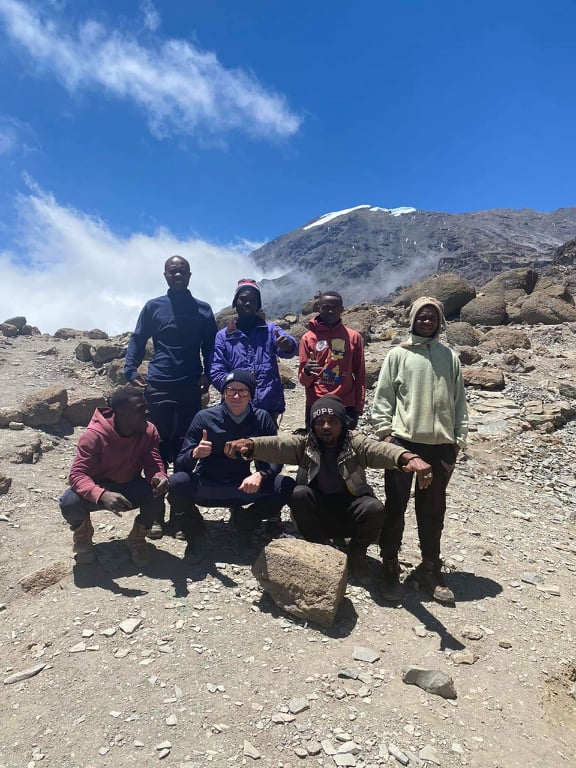
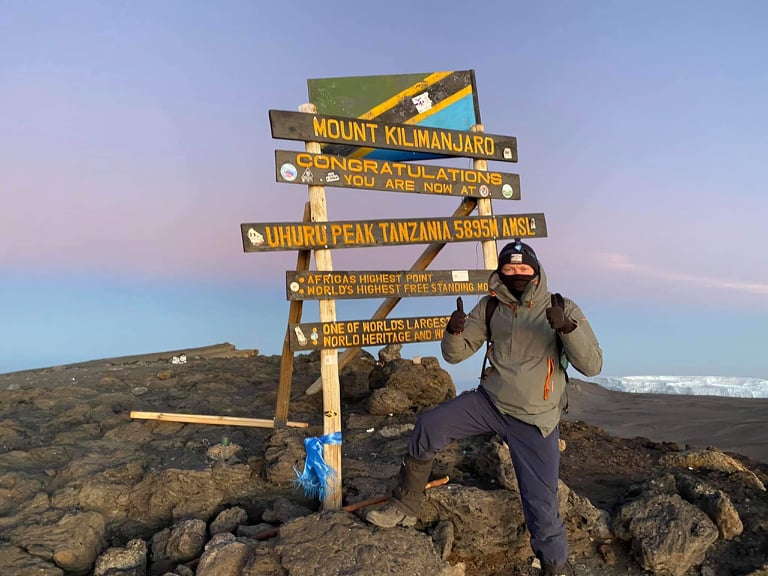
The Lemosho Route and the Northern Circuit Route both offer paths to the summit of Mount Kilimanjaro. The Lemosho Route has a typical duration of 7-8 days whereas the Northern Circuit Route has a typical duration of 9 days. They both start from the Londorossi Gate and cross the Shira Plateau, which is why both have high success rates. The Northern Circuit Route’s initial path follows Lemosho route. The Northern Circuit Route has a distance of 88 km to 98 km and the Lemosho Route has a distance of 70 km (43 miles).
What Are Your Chances of Reaching the Summit of Kilimanjaro?

We've calculated your personalized summit success score, recommended route, and training plan. Enter your details below and we'll send it straight to your inbox.
Enter your details and we'll email your personalized summit success score, recommended route, and training plan.
🔒 No spam. Your details are kept private and never shared.
Check your inbox!
Find your personalized assessment plan.
- What is the difference between Lemosho and Northern Circuit routes on Mount Kilimanjaro?
- Is the Northern Circuit Route better than the Lemosho Route for climbing Kilimanjaro?
- Which is longer: Lemosho Route or Northern Circuit Route?
- Is the Northern Circuit more difficult than the Lemosho Route?
- Does the Northern Circuit have a higher success rate than the Lemosho Route?
- Does the Northern Circuit offer better views than the Lemosho Route?
- Is the Northern Circuit more expensive than the Lemosho Route?
What is the difference between Lemosho and Northern Circuit routes on Mount Kilimanjaro?
The differences between Lemosho and Northern Circuit routes on Mount Kilimanjaro include days taken, success rates, and other factors. The Lemosho route and Northern Circuit routes share a similar chain pattern and start at the Londorossi Gate. Both routes initially go up the Lemosho route on the western side of Kilimanjaro to the Shira Plateau. However, at Lava Tower, the Northern Circuit route breaks north at Moir Hut and the Lemosho route connects to the southern circuit. Because of this, the Northern Circuit route traverses rarely frequented northern slopes and offers unique views of Kibo’s northern face. The Lemosho route has the southern circuit views and has a rock climb. The Northern Circuit route bypasses a big rock wall.
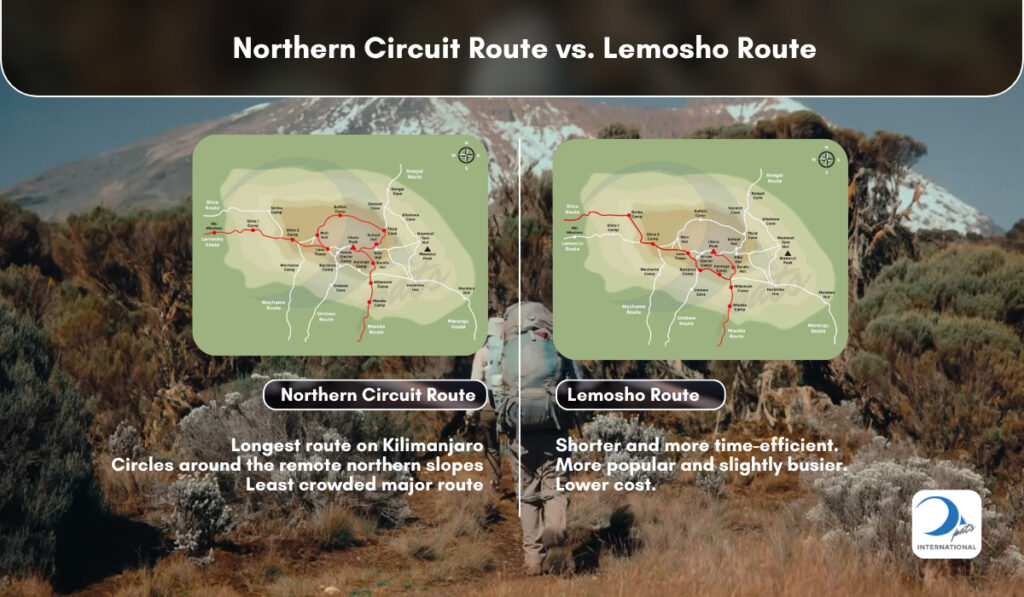
Northern Circuit Route is the longest route on Mount Kilimanjaro and offers a 9 day itinerary. It offers superior acclimatization and over 90% summit success rate. The Lemosho route takes 8 and 7 days and is shorter, but it maximizes summit chances. The Northern Circuit route has fewer crowds, due to its off beaten path, and the Lemosho route has southern circuit traffic. The Northern Circuit route allows you to experience the Ash Pit and the Furtwangler Glacier. The Lemosho route is non-technical and needs no climbing gear. Both routes are scenic, but the Northern Circuit route offers nearly 360 degrees of scenery.
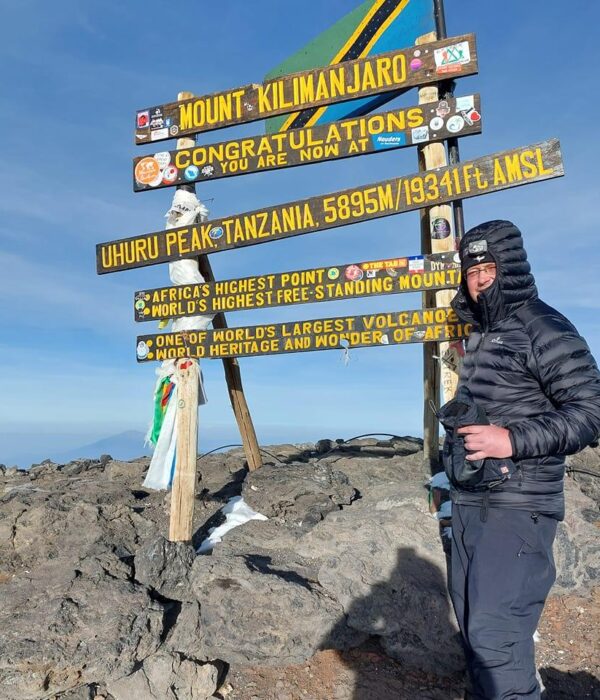
Is the Northern Circuit Route better than the Lemosho Route for climbing Kilimanjaro?
Whether the Northern Circuit Route is better than the Lemosho Route for climbing Kilimanjaro depends on personal preference. The route has the added benefit of fewer crowds along the trail and is the least frequented trail for climbing Kilimanjaro. However, the Lemosho Route is widely deemed the best Kilimanjaro route overall. For travelers seeking a more private climb, the Northern Circuit route is best suited. The Northern Circuit route is the only route that allows you to see Mount Kilimanjaro from all four sides and experience the lunar landscape of the inner crater. Due to the longer itinerary, the Northern Circuit route offers an optimal acclimatization pattern.
The Lemosho Route and Northern Circuit Route offer a summit success rate of up to 98%. However, Northern Circuit’s nine-day itinerary improves overall chances of reaching summit safely because acclimatization is pivotal for success. The Lemosho Route has a ‘climb high, sleep low’ acclimatization schedule at Lava Tower.
The 8 day Lemosho route is highly recommended for beginners as it is physically easier on the body. The Northern Circuit route is highly recommended for people with minimal mountain experience and is easier on the body because of a relaxed pace. Both routes do not need technical climbing.

Which is longer: Lemosho Route or Northern Circuit Route?
The Northern Circuit Route is longer than the Lemosho Route. The Northern Circuit Route has a distance of about 88 kilometers (or 53 miles), and the Lemosho Route has a distance of about 70 kilometers (or 42 miles). The Northern Circuit Route is also longest by duration; it has a duration of 8 or 9 days, while the Lemosho Route has a minimum duration of 7 days.
Because of its length and duration, the Northern Circuit Route allows for adequate acclimatization time. It has a longer adjustment, which is why it has a summit success rate around 92%. The Lemosho Route is widely deemed the best route, but the Northern Circuit Route is recommended if you want solitude, a longer trek, and decent acclimatization. Both routes are non-technical and have moderate difficulty overall.
Is the Northern Circuit more difficult than the Lemosho Route?
Yes, the Northern Circuit Route is more difficult than the Lemosho Route. The Northern Circuit has a moderate difficulty level. The Lemosho Route is less challenging and has a moderate to easy climb.
The Northern Circuit terrain is straightforward and does not include technical segments, with gentle to moderate steepness. The Lemosho Route includes the Barranco Wall, a slightly technical segment, and has steeper sections and slippery gravel. This is why the Lemosho Route is deemed more challenging, requiring athletic ability and previous hiking experience through a similar big rock wall section.
The Northern Circuit tests endurance more than skill and needs more stamina for the extended trek. The Lemosho Route has a faster way up, but with some technical terrain. The Northern Circuit’s chance of getting sick from height is lower, due to optimal acclimatization, and the chance of getting tired is higher because of the longer duration.
Does the Northern Circuit have a higher success rate than the Lemosho Route?
Yes, the Northern Circuit has a higher success rate than the Lemosho Route. The Northern Circuit route has a summit success rate of 92%, and this is the third highest success rate among all Kilimanjaro routes. The Lemosho route’s success changes by duration: the 6 day option has a summit success rate of roughly 88%, the 7 day has around 96%, and the 8 day has around 98%.
The higher success rate is because of better acclimatization. The Northern Circuit route utilizes ‘climb high, sleep low’ principle, and the extended acclimation period allows the body to adjust naturally. The Lemosho Route’s risk of getting sick from high places is higher than the Northern Circuit.

Does the Northern Circuit offer better views than the Lemosho Route?
No, the Northern Circuit does not offer better views than the Lemosho Route. The Northern Circuit route offers sweeping 360-degree views across the northern slopes, with a good majority spent above clouds. Unfortunately, it is the only route that allows you to see Mount Kilimanjaro from all four sides. It gives the limited views of the western breach. However, the Northern circuit route has views of Kenya.
Is the Northern Circuit more expensive than the Lemosho Route?
Yes, the Northern Circuit is more expensive than the Lemosho Route. The cost range is $4166 – $5688 whereas the Lemosho Route’s cost range is $3506 – $5324. The Northern Circuit has a longer duration, which is why it has a higher cost. More time raises costs, because the Northern Circuit has more days inside the park at the foot of the mountain. National park fees are charged per day, and the expense escalates quickly.

Got questions about this post?
Get free tips from John to help jumpstart your Kilimanjaro journey! Whether securing a travel visa or finding your ideal tourist destination to navigating through a list full of travel insurance policies, John will help you figure out the local tourism industry.
Chat with John