The Shira Route is one of seven Kilimanjaro climbing routes. The route is one of the lesser-known, least-used trails. It is the shortest of the seven after Umbwe. The 7-day Shira Route is standard; it begins with a high-altitude drop-off at Shira Ridge and follows the Southern Circuit. The ascent only lasts 4-6 days, but the standard route duration is usually 7 days. The route is deemed moderate, but it starts at a demanding altitude of 3,414 m above sea level, which is why it is one of the hardest climbs.
What Are Your Chances of Reaching the Summit of Kilimanjaro?

We've calculated your personalized summit success score, recommended route, and training plan. Enter your details below and we'll send it straight to your inbox.
Enter your details and we'll email your personalized summit success score, recommended route, and training plan.
🔒 No spam. Your details are kept private and never shared.
Check your inbox!
Find your personalized assessment plan.
- What is the Shira Route on Mount Kilimanjaro?
- How difficult is the Shira Route on Mount Kilimanjaro?
- What is the success rate of the Shira Route on Mount Kilimanjaro?
- How many days does the Shira Route on Mount Kilimanjaro take?
- What is Shira Gate on Mount Kilimanjaro?
- Is the Shira Route on Mount Kilimanjaro expensive?
What is the Shira Route on Mount Kilimanjaro?
The Shira route, on Mount Kilimanjaro is one of the lesser-known routes up Kilimanjaro. The Shira route traverses underneath Kilimanjaro’s Southern Ice Field, crosses Shira Plateau, and traverses on a path known as the Southern Circuit. The Shira route begins near Shira Ridge and offers many benefits over the more popular routes, including lower altitude gain. The Shira route was one of the earliest official trails up Kilimanjaro.
The Shira Route is one of the lesser-known and least-travelled trails, but the route is widely regarded as one of the most scenic routes on the mountain. The Shira Route approaches from the west and starts at the Shira Gate, which is on the Shira Ridge near Morum, at an altitude of about 3.5 kilometers. Hikers get there by car from the Londorossi entry point along a bumpy track. Because the starting point is high, the trek begins above the forest, in moorland and mountain shrubland, bypassing the rainforest zone.
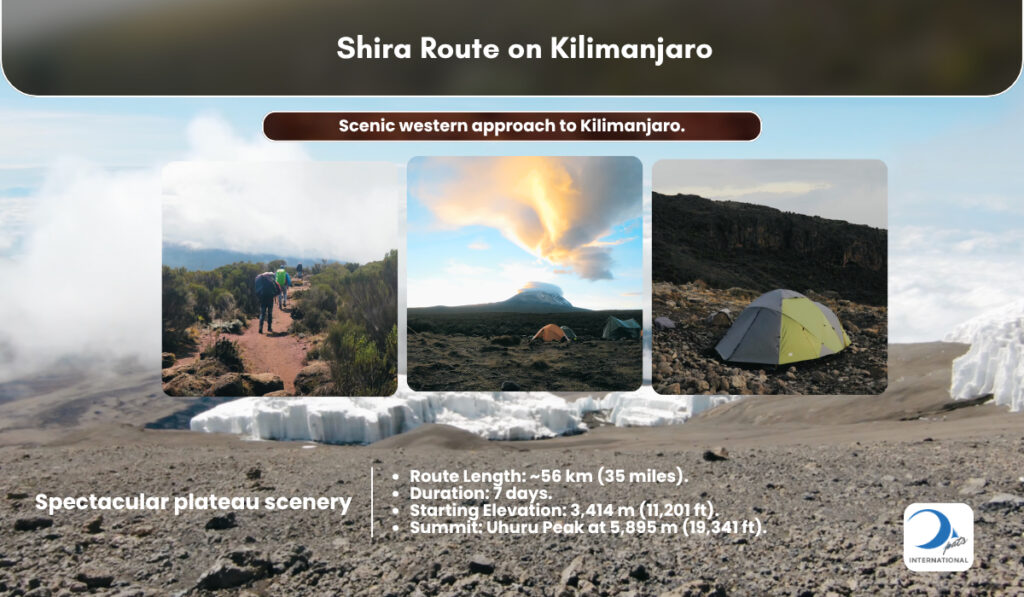
The Shira Plateau is a 8.1 mile (13km) stretch of land on the western side of the mountain, and it is one of the largest high-altitude plateaus in the world, at almost 2.5 miles (4 kilometers) up. The plateau came from a caldera that formed when the Shira cone fell and the caldera eroded over time, creating this flat area. On the plateau, you see a huge rock mass standing at 12,779 feet (3,895 meters), the Shira Cathedral, and the Shira Needle, two peaks on the southern ridge. The hike across the Shira Plateau offers sweeping panoramas and beautiful views, including of the Southern Icefields and the mountain top.
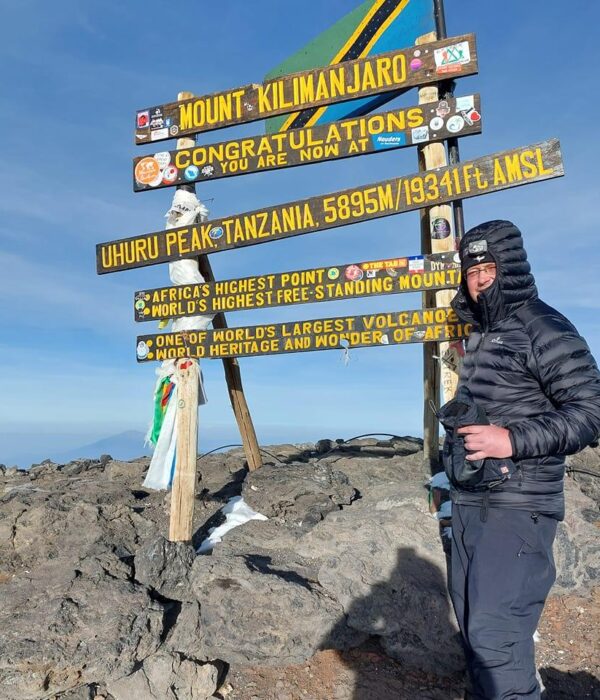
The Shira Route is completed in eight days, which gives trekkers more time to acclimatize. The itinerary starts by trekking from Shira Gate to Simba Camp. On day two, you cross the Shira Plateau and join the Lemosho Route at Shira Camp 2. On day three, the route merges with the Machame Route via the Southern Circuit near Lava Tower, a big rock landmark. You then descend to Barranco Camp and continue to Barafu Camp, the summit camp. The ascent to Uhuru Peak, the summit of Africa at 19,341 feet (5,895 meters), is made from Barafu via Stella Point, and the descent is made via the Mweka Route.
The Shira Route is deemed one of the more demanding options because you start at high elevation, which makes acclimatisation more challenging on the first day. However, the longer duration provides benefits and time to adjust. The route offers a private climb experience and is seldom used, so it starts out as a very quiet trail, although it becomes busier after joining other paths. Due to its western approach, trekkers experience hiking across the expansive Shira Plateau and enjoy views that rival the Lemosho Route.
How difficult is the Shira Route on Mount Kilimanjaro?
The Shira Route is challenging because of its high starting altitude. The trail starts at an elevation of 11,500 feet (3,505 meters) which is above the recommended 3,000-meter (9,843 feet) threshold. This high starting altitude increases the risk of altitude sickness, and immediate problems occur for climbers who cannot acclimatize immediately. That is why the Shira Route is best for experienced trekkers and altitude-prepared climbers, and it requires previous high-altitude trekking experience. It is not recommended for many first-time climbers.
The Shira Route has a distance of 53 kilometers (32.9 miles). The route’s duration is usually 7 days, but it has variations of 6 or 8 days. The starting point is much higher than other routes, which means climbers have less time to acclimatize to the altitude. So, the Shira Route is deemed one of the more demanding options. The main drawback is less gradual acclimatization than the Lemosho Route. The Lemosho Route is almost identical but starts at about 2,100 meters (6,890 feet) in the rainforest, while the Shira Route begins above forest at 3,414 meters (11,201 feet).
A 7-day plan has a chance of success of almost nine out of ten times. FBecause of the high start, acclimatization is more challenging on the Shira Route. The terrain is rocky, with boulders and a big rocky climb at the Barranco Wall. The steep rocky part is a non-technical scramble, an easy climb without gear. The Shira Route’s difficulty classification grade is IV on the Yosemite Decimal System. The route joins the scenic southern circuit and passes Lava Tower, offering views of the open plateau and volcanic landscapes. Summit night is from Barafu Camp, and descent is made via the Mweka route.

What is the success rate of the Shira Route on Mount Kilimanjaro?
The success rate of the Shira Route depends on the itinerary length. The Shira Route ranges from six to eight days. The 6-day Shira option has around a 70-75% success rate. The 7-day Shira option has a success rate up to 90-95%. A shorter variation lasting 3-4 days has a lower success rate because of shorter acclimatisation time. Overall, the Shira Route’s success rate ranges from 60 to 80 per cent. Success on any route depends on the number of days spent on the mountain and the quality of guides. Poor acclimatization equals low success.
How many days does the Shira Route on Mount Kilimanjaro take?
The Shira route on Mount Kilimanjaro takes anywhere from 6 to 8 days. The longer itinerary offers better acclimatization. The route starts on the Shira Plateau at around 3,414 meters (11,200 feet) and is about 62 kilometers (38.5 miles) in length. The route goes the Southern Circuit and merges with the Machame Route.
What is Shira Gate on Mount Kilimanjaro?
The Shira Gate on Mount Kilimanjaro is where the Shira Route on Kilimanjaro begins at a high altitude, making acclimatisation more challenging compared to other routes. The Shira trail is one of the two longer and less-traveled Kilimanjaro routes. The Shira Route is widely regarded as one of the most scenic routes on Mount Kilimanjaro.
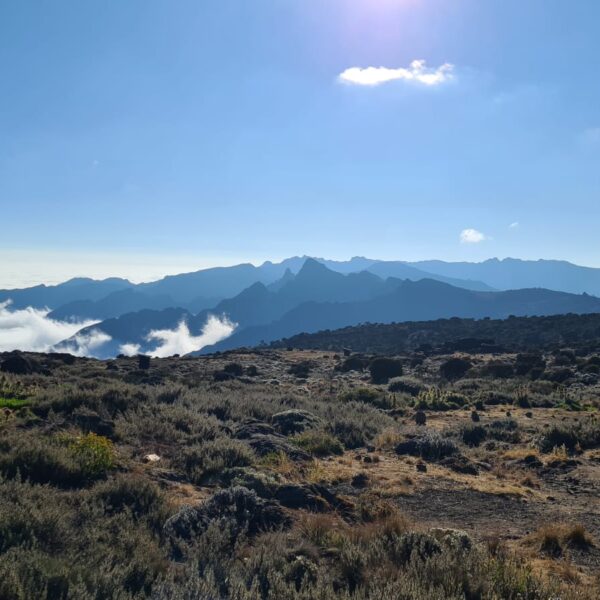
Shira Gate is an entry point on the western side of Mount Kilimanjaro, located near Shira Ridge on the Shira Plateau. It serves as an administrative gate for the Lemosho Route and the Shira Route. Shira Gate is the boundary where trekkers transition from riding in a vehicle to foot travel. Climbers leave the vehicle and step onto the high-altitude moorland and heath biome, directly skipping the rainforest zone.
Shira Gate lies on the Shira Plateau, a high-altitude tableland that is the collapsed caldera of the extinct Shira volcano. The volcano expired around half a million years ago, and its collapse created this flat, dry, and sandy area. The plateau is dotted with lava ridges and hard-cooled rock rivers, and the gate itself stands at the edge of the original crater, showing the bottom of the ancient crater wall. Because of this, Shira Gate has no foothill or lowland base.
The high starting altitude of Shira Gate makes acclimatization very challenging. Trekkers get sudden exposure to a lofty height, which is why altitude sickness is more common here. Originally, the Lemosho Route started at Shira Gate, but now it typically begins lower at Londorossi Gate or Lemosho meadows and this helps climbers adjust. For those who drive to Shira Gate, the first night is often at Lion Camp, about 4.0 kilometers (2.5 miles) away, a hike of 60 to 120 minutes. From there, the trek crosses the Shira Plateau, a 13-kilometer stretch west of Kibo, before heading to the summit via Stella Point or Barafu Camp. Descent is via the Mweka Route.

Is the Shira Route on Mount Kilimanjaro expensive?
The Shira Route is not the cheapest Kilimanjaro trek, but it is not the most expensive option either. Its affordability is moderate. The cost of the Shira route is from $3596 to $3805 per person, while the average cost to climb Kilimanjaro is $3000 to $6000. The price for a nine-day hike is between $4200 and $6100.
The Shira route expense covers entry costs, pay for guides, wages for helpers, transport, and camping gear. Park fees are $70 per day, and nightly tent charges are $50 to $60 per night. VAT is an 18% tax on trips. Expense changes based on the number of days because each extra day adds $200 to $400 to the price. The rate drops with bigger parties, so solo travelers or smaller groups pay a higher tariff.
I went up the Shira Route in 2019. I paid $5200 for a private trek of one week with a local, reputable operator. There were cheaper options costing $3800 but I opted for the higher one as it included camping gear, meals, and oxygen for emergencies.


Got questions about this post?
Get free tips from John to help jumpstart your Kilimanjaro journey! Whether securing a travel visa or finding your ideal tourist destination to navigating through a list full of travel insurance policies, John will help you figure out the local tourism industry.
Chat with John