The Lemosho route on Mount Kilimanjaro can be completed in six days. It requires 19-24 hours of demanding walking and offers minimal vertical meters of 838 average daily. Adventurous climbers can complete the 6-day Lemosho route. However, it is more difficult than the 7-day and 8-day options as it offers less time for acclimatization.
What Are Your Chances of Reaching the Summit of Kilimanjaro?

We've calculated your personalized summit success score, recommended route, and training plan. Enter your details below and we'll send it straight to your inbox.
Enter your details and we'll email your personalized summit success score, recommended route, and training plan.
🔒 No spam. Your details are kept private and never shared.
Check your inbox!
Find your personalized assessment plan.
- What is the 6-day Lemosho Route on Mount Kilimanjaro?
- How difficult is the 6-day Lemosho Route on Mount Kilimanjaro?
- Is the 6-day Lemosho Route good for altitude acclimatization?
- What is the itinerary of the 6-day Lemosho Route on Mount Kilimanjaro?
- How many hours per day are hiked on the 6-day Lemosho Route?
- What is the success rate of the 6 day Lemosho Route on Mount Kilimanjaro?
- Is the 6-day Lemosho Route cheaper than longer Kilimanjaro routes?
What is the 6-day Lemosho Route on Mount Kilimanjaro?
The 6-day Lemosho route is the shortest Lemosho route variation. It covers around 35 miles, or 56 km, and is done in six days and five nights on the mountain. This route is deemed a difficult route and is better suited for more adventurous trekkers or those with some hiking or backpacking experience. The route starts on the western side of Kilimanjaro, but instead of beginning at the park entrance, climbers are driven to a high point on the Shira Plateau at about 3.4 kilometers (2.1 miles); the forest hike days are skipped, and the trek begins directly on the plateau.
The 6-day Lemosho route crosses the entire Shira Plateau from west to east in a relatively flat hike. It then joins the Machame route near Lava Tower. The itinerary goes up and down over the first days, passing through moorland, alpine desert, and icy top. Climbers hike to Barranco Camp, then Karanga Camp, and then to Barafu Camp on Day 5. The summit attempt departs from Barafu Camp at midnight. After reaching Uhuru Peak, the descent follows the Mweka trail to the exit gate. The route offers amazing views of the mountain, including the icefields and the top part of Kilimanjaro. However, the climb pattern is steeper in ascent compared to the longer variations.
The Lemosho route is ideally tackled over eight days because of its better acclimatization profile. The 6-day variation has shortened acclimatization and does not have extended progression. It has a shorter time at altitude, and the itinerary removes an additional day. This means climbers are pushed higher very fast, and the forest hike days are skipped, so the climber has less time for acclimatization. Because of this, the 6-day Lemosho route is not recommended. However, this route is done by those with hiking or backpacking experience. The summit success rate on the 6-day route is 88%, which is less than the seven-day option at 96%. So, while it is a difficult route, the summit success rate is high for experienced trekkers.
How difficult is the 6-day Lemosho Route on Mount Kilimanjaro?
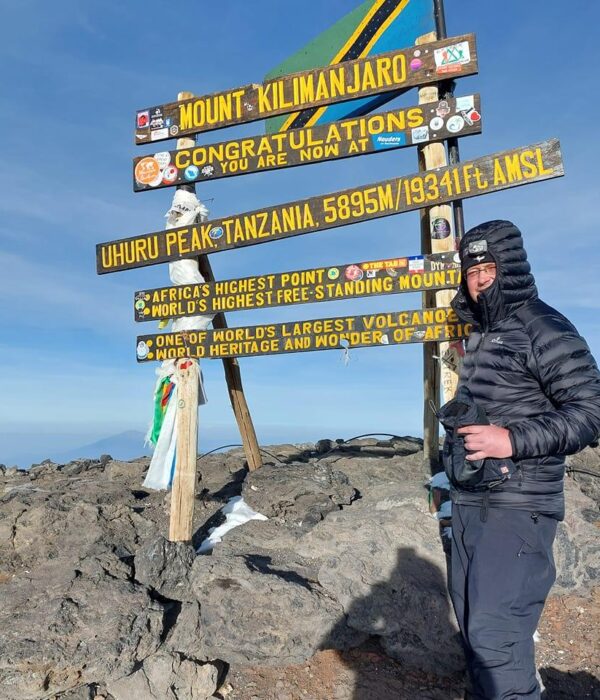
The 6-day Lemosho route is the most intense version of the Lemosho route. It is harder than the 7-day or 8-day Lemosho Route because the itinerary deducts days. There is no rest day. The 8-day option has an acclimatization day, which is why it offers better acclimatization. The quality of acclimatization decreases on the 6-day hike, and the success rate drops to approximately 88%, compared to around 98% for the 8-day route. The trail is the same, but the pace is accelerated. Because of this, you hike between 2.5-7.5 miles (4-12 km) each day, and the 6-day version requires 19-24 hours (11.8-14.9 miles) of demanding walking with only 4-6 hours of sleep. Steepness is apparent on day four, when you ascend the Barranco Wall and Lava Tower at about 15,000 feet (4,572 meters), then descend to camp. The class of difficulty is moderate, but the tight timeline raises it. The strain on the heart increases and breathing intensifies due to the rapid ascent. A good level of fitness and prior high-altitude experience are required.
The 6-day Lemosho route is not suitable for beginners. The 8-day Lemosho variant is suggested for people hiking in high places for the first time. For the 6-day (6-day) route, trekkers should have completed multi-day treks above 4,000 meters (13,123 feet) within the last 90 days (90 days). Without that, the force of mountain sickness hits more frequently. Operators offer the 6-day trip mainly to seasoned hikers. If you are a beginner, the longer itineraries are the safest and easiest Kilimanjaro route options.

Is the 6-day Lemosho Route good for altitude acclimatization?
No, the 6-day Lemosho route is not good for altitude acclimatization for most climbers. It allows less time for proper acclimatisation. The 6-day option cuts the time needed to get used to high altitude, which is why it is rarely recommended. It has less acclimatization than the longer Lemosho route variations, like the 7 or 8-day options.
The 6-day route forces a rapid ascent. It skips the forest section using a car ride that skips the low-area get-used-to days. The climb pattern is steeper, and there is a more sharp rise in exposure to altitude. Climbers gain altitude faster than ideal acclimatization protocols suggest. This rapid ascent increases the risk of altitude sickness, and discomfort occurs from shorter breaks and rushed recovery intervals. So, the 6-day route helps acclimatization less effectively than longer routes.
However, the 6-day Lemosho route helps experienced climbers. Veterans with experience above 13,123 feet (4,000 meters) possess existing acclimatization. Operators advise this route for people with recent high-altitude experience above about 4.0 kilometers up (2.5 miles). The success rate of 94.1% shows self-selection by veterans. But for novice high altitude trekkers, the altitude gain is not recommended because the shorter time raises the chance of getting sick.
Longer Lemosho route durations give superior acclimatization outcomes for the majority. The 8-day Lemosho route improves chances of reaching the summit thanks to a gradual ascent and the ‘climb high, sleep low’ principle. The 6-day route offers convenience and is good for veterans, but it has a narrower margin for error in altitude response. So, for proper acclimatization, the 6-day Lemosho route is not the most strategic choice.
What is the itinerary of the 6-day Lemosho Route on Mount Kilimanjaro?
The 6-day Lemosho route itinerary is the shortest of the Lemosho route. It covers around 35 miles (56 km) and it is a shortened version of the 8-day option. The route starts from the west, merges with the Machame route, and follows the Southern Circuit. The 6-day Lemosho route has very demanding walking, so it is not recommended because of less acclimatization time.
Day 1 departs Moshi for Londorossi Gate and then to Mti Mkubwa Camp, and the drive takes about 4 hours. The start point is the Big Tree Camp at an elevation of 2,800m (9,186ft) through the Afromontane Rainforest. Day 2 is Mti Mkubwa to Shira 2 Camp at an elevation of 3,850m (12,631ft) through moorland. Day 3 is Shira 2 Camp to Barranco Camp at an elevation of 3,900m (12,795ft). The route moves toward the big rock pile, Lava Tower at an elevation of 12,960 ft (3950 m) for acclimatization. The Lemosho route merges with the Machame route near Lava Tower. This is a vital day for acclimatization.
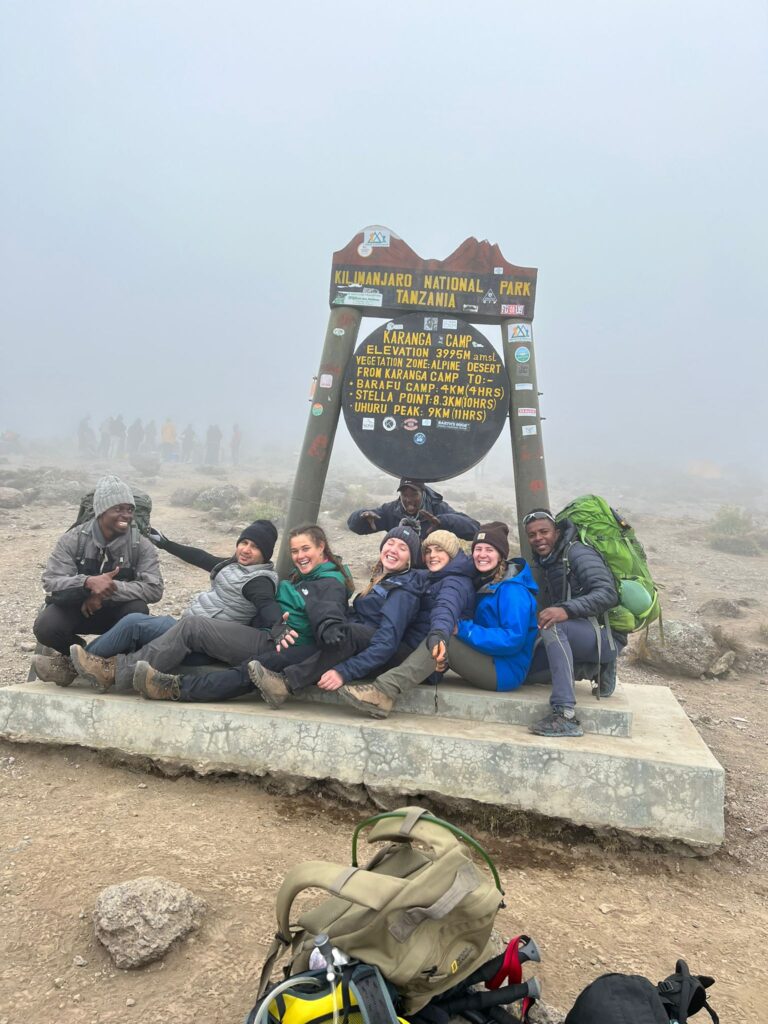
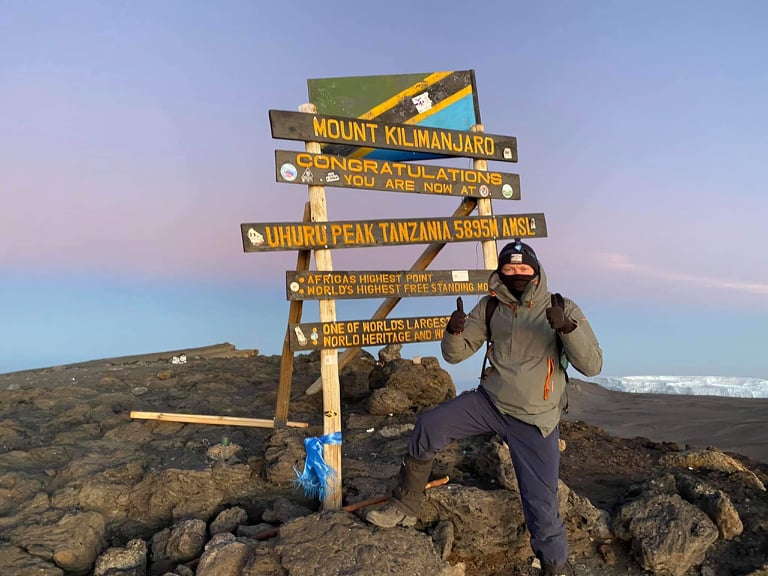
Day 4 is Barranco Camp to Barafu Camp at 4,600m (15,091.9ft). The path includes climbing the big rock wall and a water stop spot at Karanga camp at almost 4,000m (13,123ft). Day 5 is Barafu Camp to Uhuru Peak to Mweka Camp. Uhuru Peak’s elevation is 5,895m (19,341 feet), and Mweka Camp’s elevation is 3,100m (10,171 feet). Day 5 uses the principle of climbing high and sleeping low. Day 6 is Mweka Camp to Arusha or Moshi. The descent follows the Mweka trail to Mweka gate at 5,400 ft (1,646 m). The route winds down through banana farms to Mweka village, then transfers to the lodge.
How many hours per day are hiked on the 6-day Lemosho Route?
On the 6-day Lemosho Route, you trek 4 to 7 hours per day. Daily hours change across the climb. Most days feature 6 to 8 hours of hiking. Summit day uses 12 up to 14 hours of strenuous effort.
What is the success rate of the 6 day Lemosho Route on Mount Kilimanjaro?
The success rate of the 6-day Lemosho Route is around 88 percent. The 6-day Lemosho has shortened acclimatization time which results in the lower success rate.
Is the 6-day Lemosho Route cheaper than longer Kilimanjaro routes?
Yes, the 6-day Lemosho Route is cheaper than longer Kilimanjaro routes. The cost ranges from $3419-$4829 per person, while the 7-day Lemosho Route is $3506-$5029. Longer trips are more expensive. The 8-day Lemosho climb costs between $3801 and $5324, and adding a day adds $600 to the base price. The 6-day Lemosho Route is popular for budget-minded hikers.
The cost is lower because more days on the mountain means more food, more park fees, and more wages for crew. The park fee is a fixed cost, and the entry cost adds $50 camping per day plus $120-$150 per extra day. Help from a guide is $20-$40 daily, and a carrying helper is $12-$25 daily. The 6-day Lemosho Route removes days off at Barranco and cuts break days at Karanga, which is why it has less acclimatization time. Cheaper options cost $2500-$2900 for short routes. Bigger groups cut costs per person, and the 6-day Lemosho Route needs shorter time off work, but the longer routes give better acclimatization and a higher success rate.

Got questions about this post?
Get free tips from John to help jumpstart your Kilimanjaro journey! Whether securing a travel visa or finding your ideal tourist destination to navigating through a list full of travel insurance policies, John will help you figure out the local tourism industry.
Chat with John