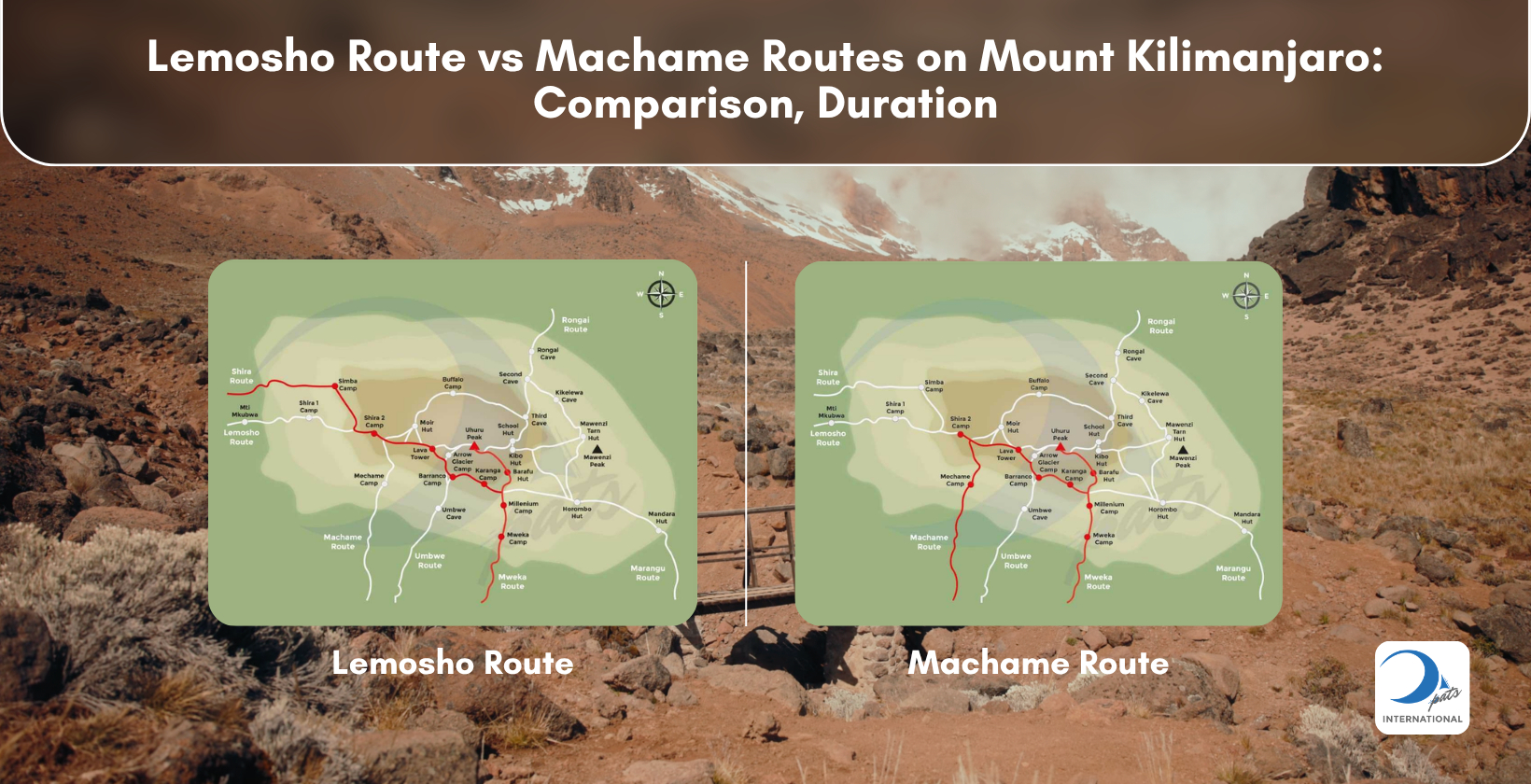
Lemosho and Machame are the two most popular and scenic routes on Mount Kilimanjaro. Lemosho is the more expensive, longer western trail known for incredible views and high success rates. Machame is shorter and steeper, approaching from the south, suitable for budget-conscious, fit adventurers.
What Are Your Chances of Reaching the Summit of Kilimanjaro?
We've calculated your personalized summit success score, recommended route, and training plan. Enter your details below and we'll send it straight to your inbox.
Enter your details and we'll email your personalized summit success score, recommended route, and training plan.
🔒 No spam. Your details are kept private and never shared.
Check your inbox!
Find your personalized assessment plan.
- What is the difference between the Lemosho and Machame Routes on Mount Kilimanjaro?
- Is the Machame Route better than the Lemosho Route for climbing Mount Kilimanjaro?
- Which is longer: the Lemosho Route or the Machame Route?
- Is the Machame Route more difficult than the Lemosho Route?
- Does the Machame Route have a higher success rate than the Lemosho Route?
- Does the Machame Route offer better views than the Lemosho Route?
- Is the Machame Route more expensive than the Lemosho Route?
What is the difference between the Lemosho and Machame Routes on Mount Kilimanjaro?
The difference between the Lemosho and Machame Routes on Mount Kilimanjaro is given in the table below.
| Aspect | Lemosho | Machame |
| Terrain | Plateau | Steep |
| Difficulty | Moderate | Hard |
| Approach Side | Western | Southern |
| Success Rate | 96-98% | 88-92% |
| Days | 7-8 | 6-7 |
| Pace | Slow | Fast |
| Acclimatization | Maximum | Good |
| Traffic | Less | More |
| Cost | High | Medium |
| Start | Londorossi | Machame Gate |
| Length | 70 km (43.5 mi) | 62 km (38.5 miles) |
The Lemosho Route and Machame Route are both ways to summit Mount Kilimanjaro. The Lemosho route starts on the western slopes, while the Machame route starts on southern slopes. Lemosho’s primary distinction lies in its wilderness character during the initial three days, before it joins Machame Route traffic. Lemosho receives fewer than 10% of Kilimanjaro’s total climbing traffic at the start. Machame is popular and offers a faster pace with a more intense early experience.
The Lemosho route takes 7 to 8 days to complete, commonly 8 days, and the Machame route takes 6 to 7 days. Additional days on Lemosho route allow a slower pace and more time for acclimatization due to the ‘climb high sleep low’ principle. The Lemosho Route has a summit success rate of up to 98%. The Machame Route has a success rate of 88-92% and is doable for first-time backpackers and gives a strong balance between acclimatisation and energy preservation on a 7-day version.
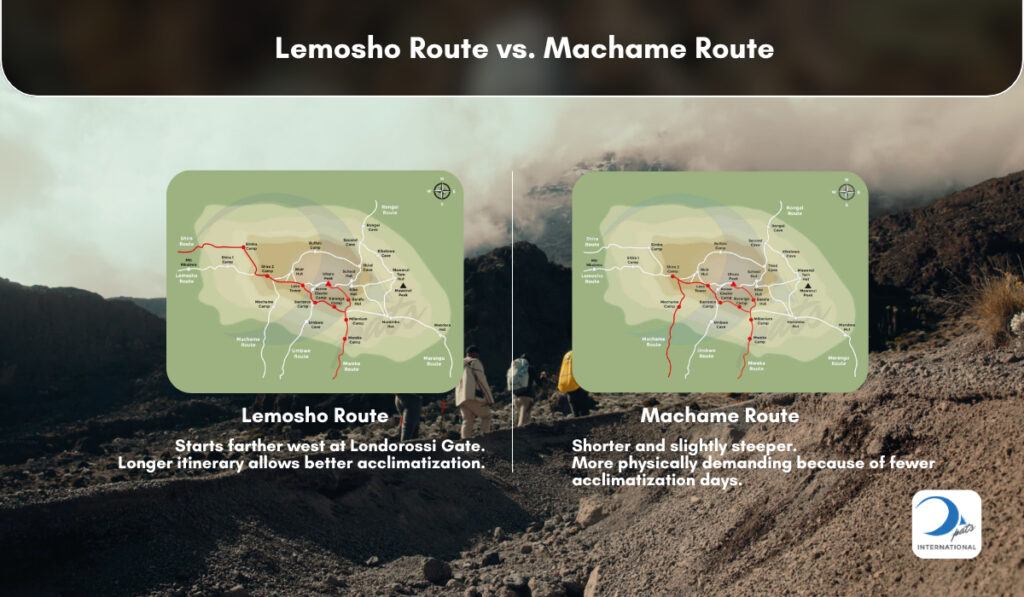
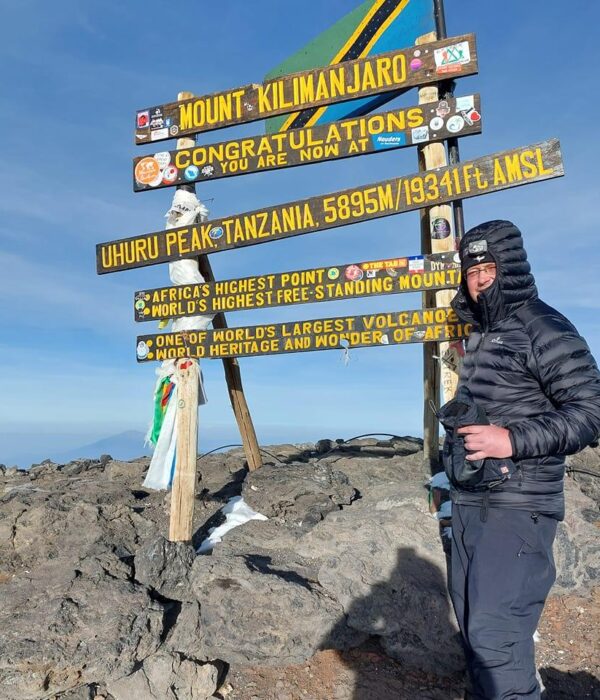
The Machame route is harder than Lemosho, because it has a steeper ascent which requires better fitness. The Lemosho Route provides a slower measured acclimatisation profile, and is deemed the easiest route option. Both routes lead toward Uhuru Peak, Africa’s highest point at 5,895 metres (19,340 feet), and go through five weather zones, from rainforest to freezing zones. Lemosho has more vistas and sweeping scenery from the western side, while Machame is known for breathtaking views of the mountain. The cost of the Lemosho trail is higher than Machame route so Machame fits those who want a budget-friendly trek. Lemosho fits those prioritizing less busy paths and maximum acclimatization.
Is the Machame Route better than the Lemosho Route for climbing Mount Kilimanjaro?
Both routes offer unique experiences and advantages. For summit success, Lemosho Route has higher success rates, with summit success rates of up to 97% with 98% chance of reaching the top for itineraries of 8 days. The Machame Route has a success rate of 90% average depending on duration, and up to 92% with proper acclimatization. Lemosho Route allows getting used to the height because of longer duration and acclimatization. For beginners, the choice depends on variables like fitness and preference. The Lemosho Route is a common pick for beginners because it offers gradual climb and helps the body adjust to high places. Route selection depends on acclimatisation, duration, and how ready someone is to reach the top.

Which is longer: the Lemosho Route or the Machame Route?
The Lemosho Route is longer than the Machame Route. The Lemosho Route has a length of 43 miles (70 km) and a duration of 8 days. The Machame Route has a length of 38 miles (61 km) and a duration of 7 days. Because of the longer distance, the Lemosho route gives more time for acclimatisation, which is why its success rate is slightly higher.
Is the Machame Route more difficult than the Lemosho Route?
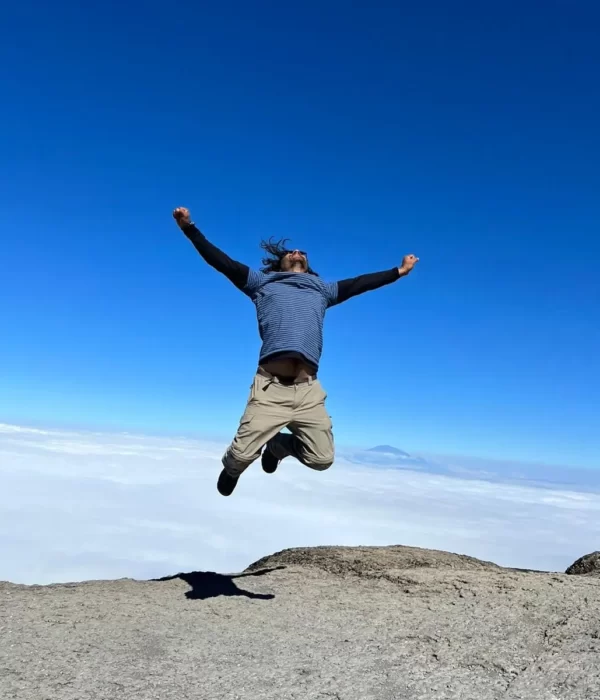
Yes, the Machame Route is more difficult than the Lemosho Route. The Machame route is more demanding and physically hard compared to the Lemosho route. Because the Machame route has a shortened schedule, it features steeper terrain and intense pacing. The Lemosho route provides a more gradual approach, which is why it is deemed the easiest route.
The Machame route’s early slope is steep. The Machame route’s pacing is intense, which makes it a tough climb. The route’s schedule is shortened compared to the Lemosho route schedule, so the body accumulates toll. However, the Lemosho route requires effort across more days, which gives more time for acclimatisation. That is why hikers rarely get altitude sickness on the Lemosho route. The Lemosho route’s chance of reaching the top is higher at 98% than the Machame route’s chance of 90%.
Does the Machame Route have a higher success rate than the Lemosho Route?
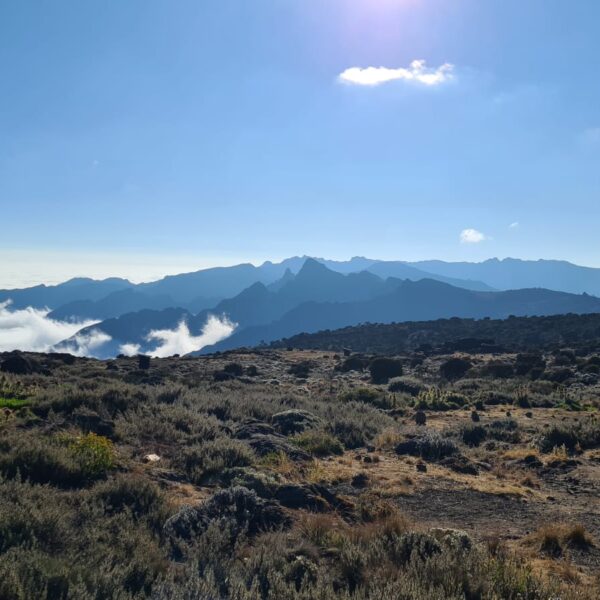
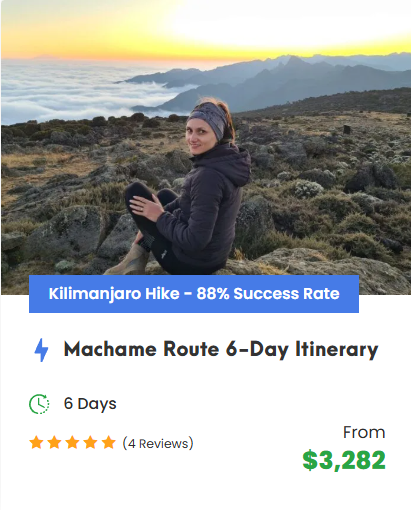
The Machame Route does not have a higher success rate than the Lemosho Route. The Lemosho Route gets a 96% success rate on a one week trip and hits a 98% success rate on an eight-day schedule. Machame Route has an 88% success rate on a six-day trip and a 92% success rate on a seven-day schedule.
Acclimatization is the key reason for difference. The Lemosho starts lower and goes more slowly, so it gives more time for proper acclimatization. The Lemosho Route offers a good ‘climb high sleep low’ profile and implements go up altitude more effectively. Machame route cuts acclimatization going up to 4,620m (15,157.48ft) on Day 3.
Does the Machame Route offer better views than the Lemosho Route?
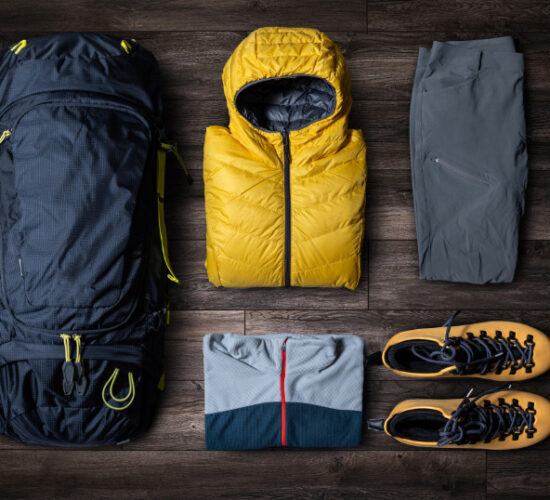
No, the Machame Route does not offer better views than the Lemosho Route. The Lemosho Route is deemed the most scenic route on Kilimanjaro because it approaches from the West. The Lemosho Route offers vistas across the Shira Plateau, while Machame Route’s scenery includes landscapes like volcanic ridges and the Barranco Wall. The Lemosho Route provides panoramic views and lush rainforests.
The Machame route’s view from the summit is identical to the Lemosho Route’s view, as both show the Freedom Summit. However, the Lemosho Route’s panorama is superior, due to its western slopes and quieter start. The Lemosho Route is favourite among tourists for scenery. Route is the most scenic way to climb Kilimanjaro.
Is the Machame Route more expensive than the Lemosho Route?
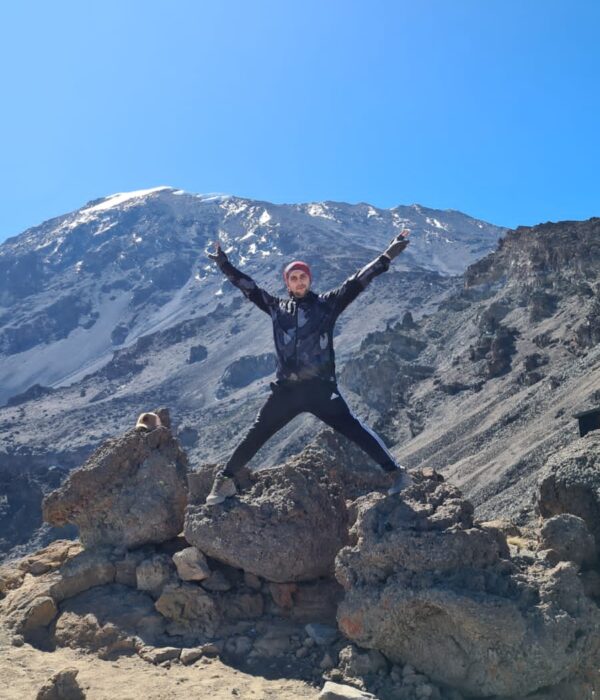
No, the Machame route is not more expensive than the Lemosho route. The Lemosho route is more expensive as it takes more days, and that adds more park fees, more days of wages for the crew, and more meals. The Lemosho route has more park fees than the Machame Route, as park fees are per day. An 8-day Lemosho route itinerary starts from $3,801 per person, while a 7-day Machame route itinerary starts from $3,375 per person. The Machame route is a value-conscious route and a cheaper option than Lemosho Route.

Got questions about this post?
Get free tips from John to help jumpstart your Kilimanjaro journey! Whether securing a travel visa or finding your ideal tourist destination to navigating through a list full of travel insurance policies, John will help you figure out the local tourism industry.
Chat with John