The Marangu Route is often deemed the easiest Kilimanjaro Route but has a poor acclimatization profile, so success rate 40-50%. The Lemosho Route has a good acclimatization profile, which is why it has the highest success rate of 96-98%. The Rongai route has a success rate of 80%. The Lemosho route is the most scenic route as it begins on the remote western side and traverses the Shira Plateau. The Marangu route is the only route with hut accommodation, and climbs the southeast slope.
What Are Your Chances of Reaching the Summit of Kilimanjaro?
We've calculated your personalized summit success score, recommended route, and training plan. Enter your details below and we'll send it straight to your inbox.
Enter your details and we'll email your personalized summit success score, recommended route, and training plan.
🔒 No spam. Your details are kept private and never shared.
Check your inbox!
Find your personalized assessment plan.
- What is the difference between Marangu, Machame, Lemosho, and Rongai routes on Kilimanjaro?
- Which Kilimanjaro route is the longest: Marangu, Machame, Lemosho, or Rongai?
- Which route takes the most days: Marangu, Machame, Lemosho, or Rongai?
- Which route is the hardest: Marangu, Machame, Lemosho, or Rongai?
- Which Kilimanjaro route has the highest success rate: Marangu, Machame, Lemosho, or Rongai?
- How do accommodation facilities differ between Marangu, Machame, Lemosho, and Rongai routes on Mount Kilimanjaro?
- Which Kilimanjaro route is the most scenic: Marangu, Machame, Lemosho, or Rongai?
- Which Kilimanjaro route is the cheapest: Marangu, Machame, Lemosho, or Rongai?
What is the difference between Marangu, Machame, Lemosho, and Rongai routes on Kilimanjaro?
The Machame, Marangu, Lemosho, and Rongai routes differ by accommodation, success rate, and difficulty. The Marangu route has sleeping shelters and is the only route with hut accommodation. The Rongai route is the easiest route. The Marangu route is deemed less challenging, but it has tough summit nights. The Lemosho route has moderate to hard difficulty and has better acclimatization is better which is why it is the safest route. Because of this, the Lemosho route has a success rate of over 95%. The Machame route has a success rate around 92%, the Rongai route has a success rate of 80%, and the Marangu route has a success rate of 42%.
The Lemosho route is the most scenic route. =The Marangu route passes through arctic summit, rainforest, and moorland. It is the busiest and most crowded route. The Lemosho route has fewer climbers at start and the Rongai route is the least busy. The Marangu route takes 5 days, the Machame route takes 7 days, and the Lemosho route takes 8 days. The Rongai route’s duration varies. The Marangu route is the cheapest, the Machame route is budget conscious, and the Lemosho route is expensive.
Which Kilimanjaro route is the longest: Marangu, Machame, Lemosho, or Rongai?
The Rongai Route is the longest route. It has a length of 73 kilometers (45.4 miles). The Marangu route has a length of 72 kilometers (44.7 miles), the Lemosho route has a length of 70 kilometers (43.5 miles) and the Machame route has a length of about 62 kilometers (38.5 miles). The Rongai Route is the only Kilimanjaro route that approaches from the north. Because it approaches from the north, the route has a more gradual ascent. A more gradual ascent offers much better acclimatisation which leads to higher success rates. The Rongai route has a success rate of approximately 80%.

Which route takes the most days: Marangu, Machame, Lemosho, or Rongai?
The Lemosho Route takes the most days. Its usual length is 7 or 8 days, and a longer itinerary takes 10 days. The Marangu route takes five or six days, the Machame route takes 6 or 7 days, and the Rongai route takes 6 to 7 days. The longer duration is because Lemosho approaches from the west and has gradual elevation gains. Due to this, the Lemosho route has a high summit success rate at 96 to 98 percent.
Which route is the hardest: Marangu, Machame, Lemosho, or Rongai?
The Machame route is the hardest. The Rongai route is the easiest route on Kilimanjaro. Machame involves steeper sections, like the Barranco Wall, and wears out the body from exertion. The Rongai route has gradual ascent offering better acclimatization. For first-timers, the Lemosho route is the best option. It has good acclimatization and allows for a gradual altitude gain. It has a success rate of 96-98% and manageable pace.
Which Kilimanjaro route has the highest success rate: Marangu, Machame, Lemosho, or Rongai?
The Lemosho route has the highest success rate. It takes 8 days. The eight day Lemosho route offers good acclimatization, which is why its summit success rate is approximately 98%.
How do accommodation facilities differ between Marangu, Machame, Lemosho, and Rongai routes on Mount Kilimanjaro?
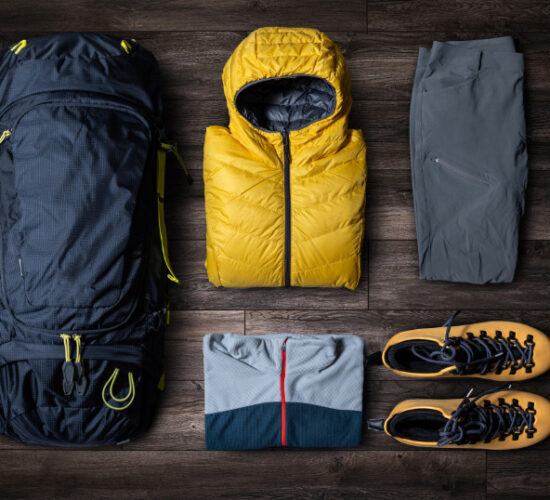
Accommodation facilities differ between Marangu, Machame, Lemosho, and Rongai routes. The Marangu route is the only route with mountain huts and does not allow camping. It features permanent wooden A-frame huts at each overnight stop. These huts provide dormitory-style lodging with four to twenty bunk beds per room. Climbers share dormitory spaces and dining facilities. Bathrooms at Horombo Hut and Mandara are well maintained with flush toilets and solar lighting.
Machame, Lemosho, and Rongai routes operate as camping-only routes. The Machame route has camping tents and sleeping pads. Tents on Machame route are highgrade and weatherproof. The Lemosho Route offers tented accommodation at designated campsites. Luxury operators provide private toilet tents, mattresses, hot water bottles, larger sleeping tents, and dedicated dining tents. The Rongai route involves camping.
Which Kilimanjaro route is the most scenic: Marangu, Machame, Lemosho, or Rongai?
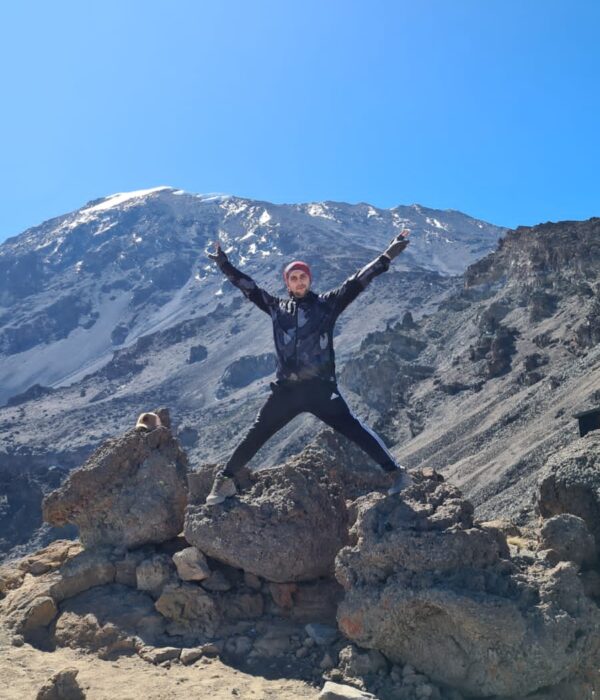
The Lemosho Route is the most scenic Kilimanjaro route. It offers the most eclectic scenery and landscapes that change each day: it traverses jungle and goes through rocky fields. You can see the Barranco Wall, the vast plateau and the cliff. The Lemosho route has a 98% summit success rate on 8 day schedules and is optimal for sightseeing. Due to its longer itinerary, you get better acclimatization and enjoyment of top-of-the-mountain sights. Lemosho Route has fewer crowds at the start compared to Marangu, Machame, and Rongai routes.
The Machame route is the second-most scenic route, with scenery like its flat high area, rock hill made from cooled fire-rock and rock wall. However, the Machame is more popular and busier, especially in high season, and has a slightly higher difficulty. The Rongai Route has fine landscapes but early scenery is less dramatic and less diverse. The Marangu route is the least scenic, uses the identical path for ascent and descent and has overcrowding.
Which Kilimanjaro route is the cheapest: Marangu, Machame, Lemosho, or Rongai?
The Marangu route is the cheapest route on Mount Kilimanjaro. It is the budget option and offers the lowest prices. Marangu route costs from $2920 to $3229 per person. That is 100 to 900 USD less than alternatives. The lower cost comes from hut accommodation. The Marangu route is the only route that offers hut accommodation and uses sleeping shelters. You do not need camping equipment.
The Machame route costs $3375, the Rongai route costs $3569 and the Lemosho route costs $3801. These routes are camping-only routes which leads to higher costs.

Got questions about this post?
Get free tips from John to help jumpstart your Kilimanjaro journey! Whether securing a travel visa or finding your ideal tourist destination to navigating through a list full of travel insurance policies, John will help you figure out the local tourism industry.
Chat with John