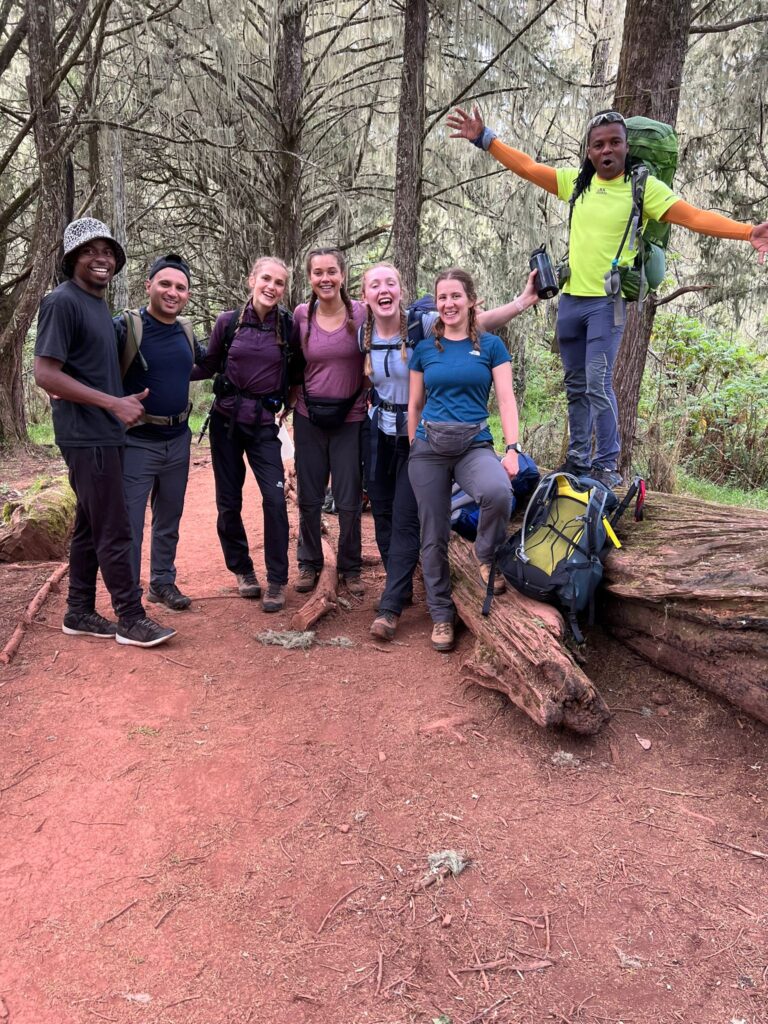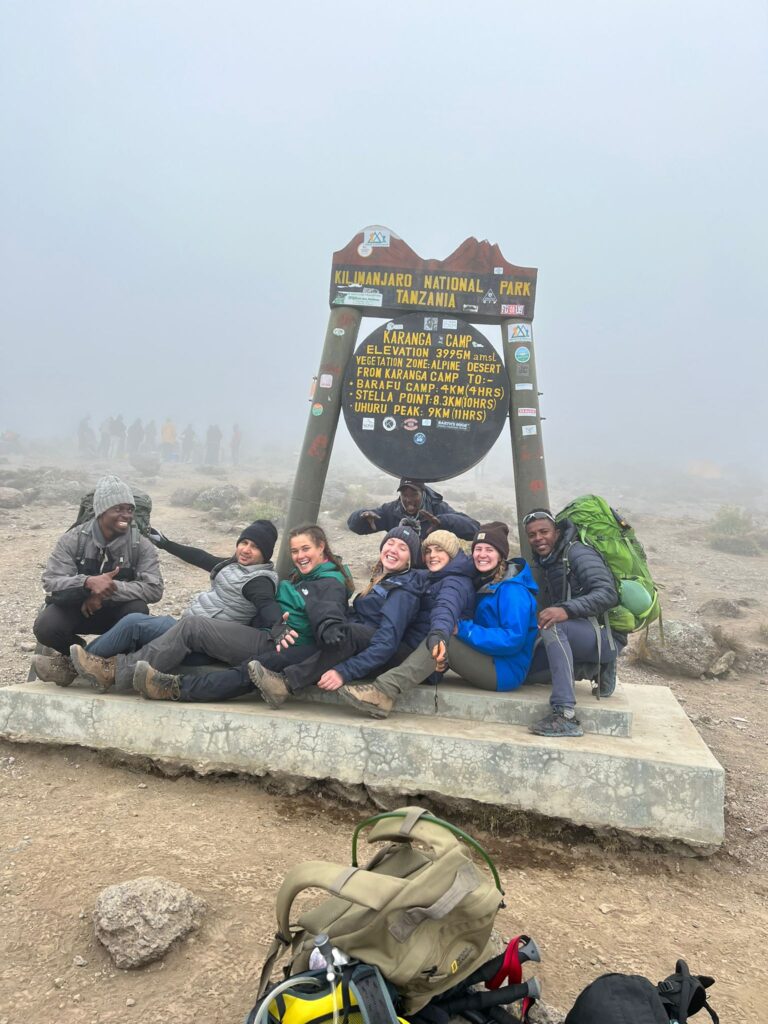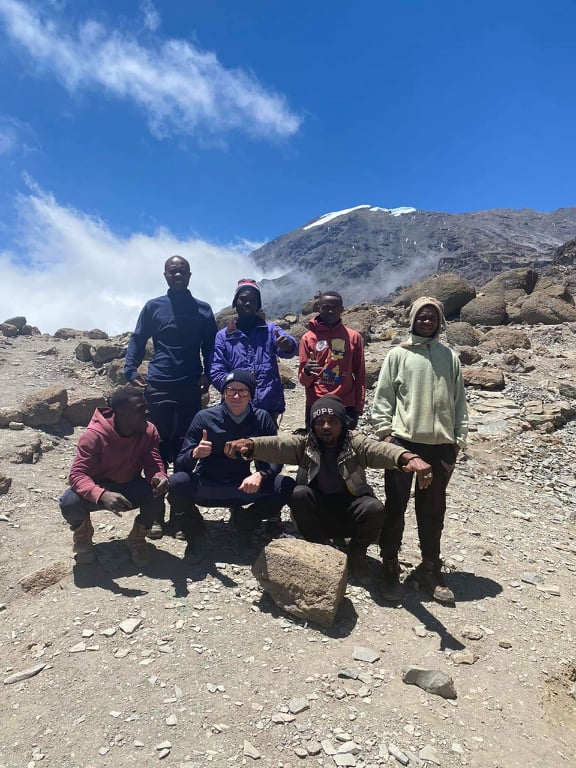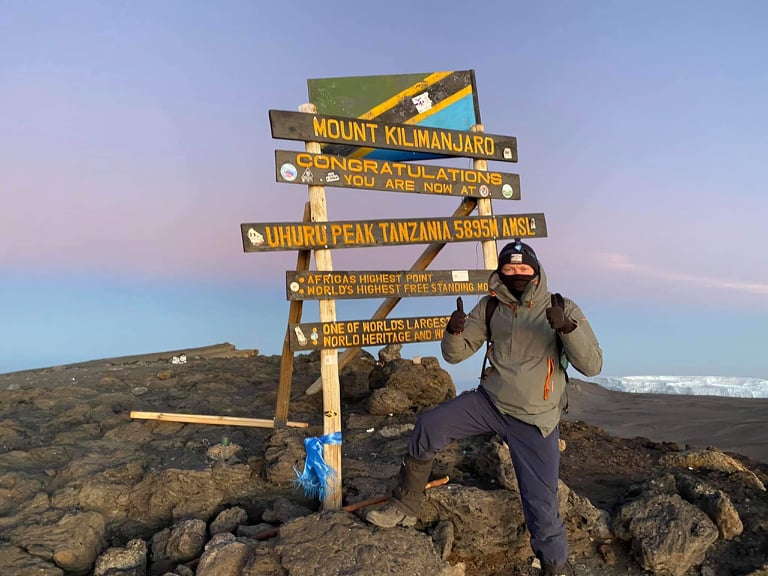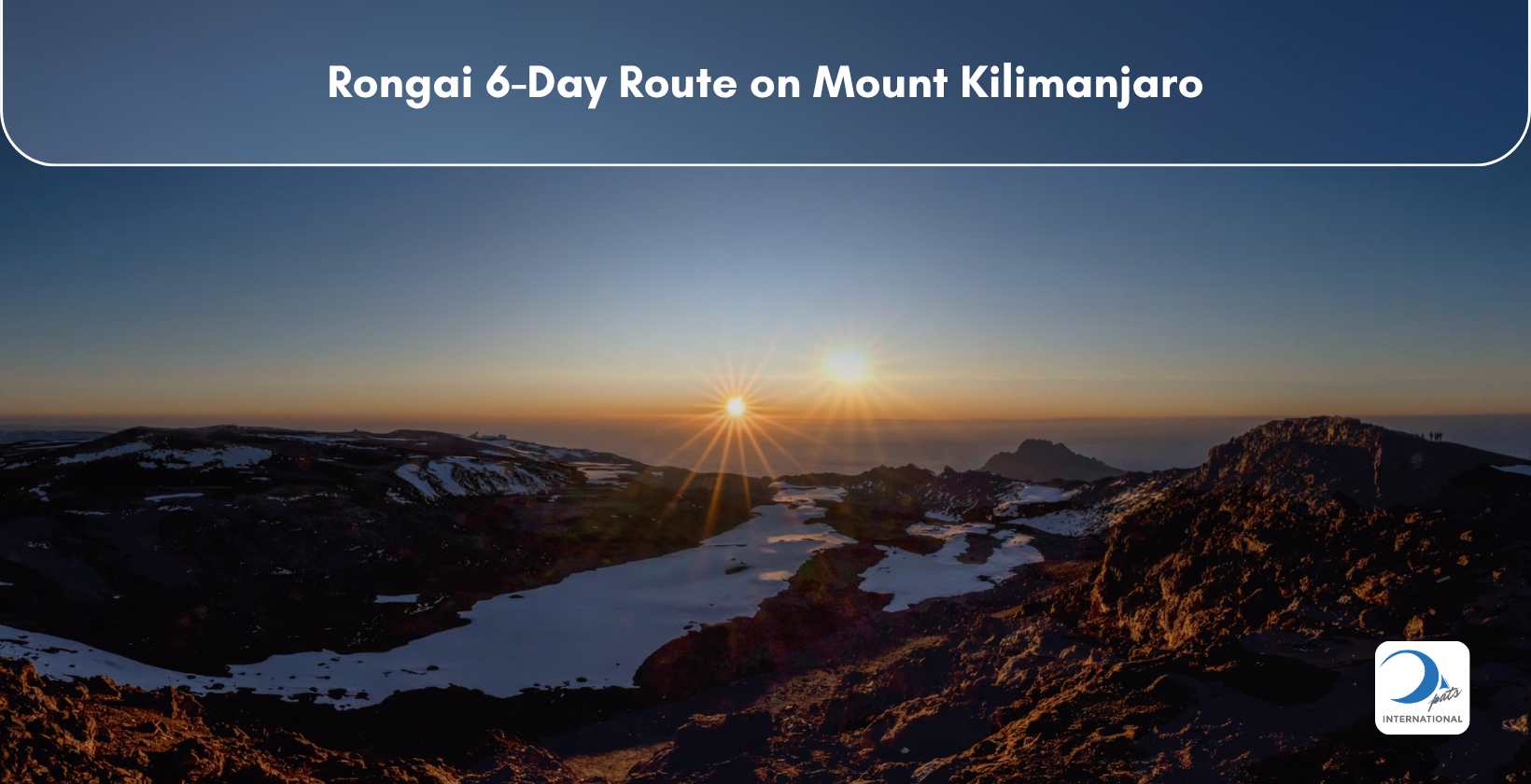
The Rongai 6-day route is a moderate climb on Mount Kilimanjaro. This 6-day route approaches the mountain from the north and is the only route that starts from northern Kilimanjaro. The route begins at Rongai gate on the northern side. It passes through true wilderness areas, moorland, and alpine desert. The route has a gradual ascent and is flatter than other Kilimanjaro routes. Because of this, it is deemed one of the easier routes. The route has a drier trail profile than southern routes. It is recommended for people who have less backpacking experience.
What Are Your Chances of Reaching the Summit of Kilimanjaro?

We've calculated your personalized summit success score, recommended route, and training plan. Enter your details below and we'll send it straight to your inbox.
Enter your details and we'll email your personalized summit success score, recommended route, and training plan.
🔒 No spam. Your details are kept private and never shared.
Check your inbox!
Find your personalized assessment plan.
- What is the Rongai 6-day route on Mount Kilimanjaro?
- How does the Rongai 6-day route differ from longer Rongai itineraries?
- Is the Rongai 6-day route on Mount Kilimanjaro difficult?
- Is the 6-day Rongai Route the best option for climbing Mount Kilimanjaro?
- How much does the 6-day Rongai Route cost on Mount Kilimanjaro?
What is the Rongai 6-day route on Mount Kilimanjaro?
The Rongai 6-day route on Mount Kilimanjaro is the only route that approaches Kilimanjaro from the north. It starts at Rongai Gate, near the Kenyan border, on the northern side of the mountain. The northern slopes have a drier climate, so the route experiences less rain than southern routes year-round, due to its northern exposure.
This 6-day variation is a shortened version of the standard Rongai itinerary. It does not have an acclimatization day at Mawenzi Tarn, which is why it is best suited for experienced trekkers. The route skips a night in 3rd Cave and combines the trek from Rongai Cave to Kikelewa Camp into a single day, resulting in a faster ascent. Day 1 passes through montane forest, from Nalemuru Gate to Simba Camp, with a distance of 5.6 miles (9 km) and a hiking time of 4 hours. Day 2 treks from Simba Camp to Kikilewa Camp, and Day 3 goes to Mawenzi Tarn Camp, near Mawenzi peak. Day 4 goes straight from Mawenzi Tarn Camp to Kibo Hut. Summit night starts from Kibo Hut and follows the same path as the Marangu route, passing Gilman’s Point to Uhuru Peak, which has glaciers. Day 5 goes to Uhuru Peak and descends to Horombo Camp. Day 6 descends from Horombo Camp to Marangu Gate, through the Marangu rainforest.
The Rongai 6-day route provides a less-crowded path and an experience of solitude in true wilderness areas, traversing alpine deserts. The route has a higher summit success rate compared to other shorter routes, but proper acclimatization is limited because the acclimatization day is removed. That is why the 6-day Rongai is best suited for experienced trekkers who are already acclimatized.
How does the Rongai 6-day route differ from longer Rongai itineraries?
The Rongai 6-day route differs from longer Rongai itineraries primarily because of acclimatization. The 6-day variation does not have an acclimatization day at Mawenzi Tarn, which the 7-day and longer routes include. This means the 6-day route has less time to acclimatize and results in a faster ascent.
The 6-day route combines the trek from Rongai Cave to Kikelewa Camp into a single day and goes straight from Mawenzi Turn Hut. The ascent is over 4 days, while the 7-day route ascends over 5 days. Average kilometers per day are higher, and resting time is cut. The extra day on longer itineraries includes a body adjustment walk at Mawenzi Tarn, helping trekkers get used to the height. Without it, the 6-day route cannot effectively use the climb-high-sleep-low rule, and the adaptation period is roughly 24 hours shorter.
This rapid ascent raises the chance of altitude sickness and cuts the chance of reaching the top. Summit success rates for the 6-day route are approximately 65-85%, compared to 85-90% for the 7-day route and 90-95% for eight-day trips. The 6-day route is best suited for trekkers with strong fitness or prior acclimatization. Because of altitude sickness risk, most operators recommend the 7-day or 8-day itinerary. Summit day timing is identical for all versions; the climb to Uhuru Peak begins around midnight. The descent via the Marangu route is the same for all Rongai variations.
Is the Rongai 6-day route on Mount Kilimanjaro difficult?
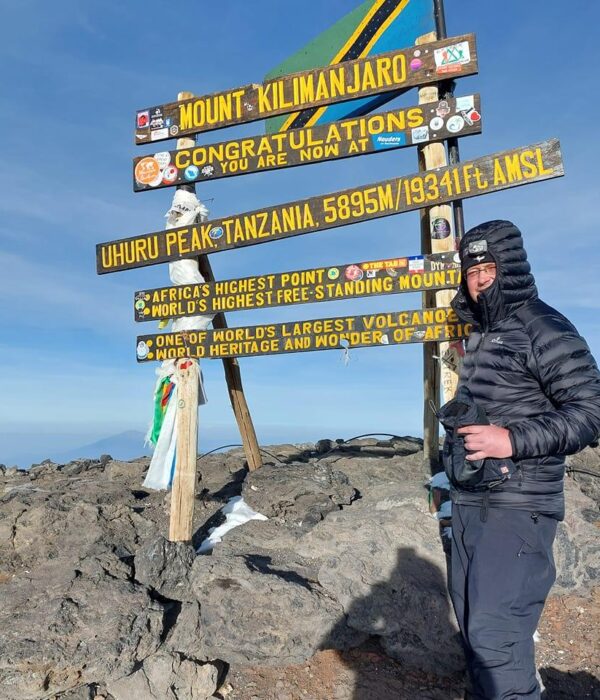
The Rongai 6-day route on Mount Kilimanjaro has moderate difficulty. The terrain is gentle, with no rocky parts, and the grade is easy to moderate for terrain. However, altitude poses difficulty. The 6-day itinerary does not have an acclimatization day. The pace is faster, and the route lacks undulating climb-high, sleep-low features. Insufficient acclimatization cuts your chances of making it to the summit. The success rate is 70-85%, which is lower than 7-8 day itineraries which have a success rate of 85-95%. The summit night is demanding and steep. Climbing at night to the top passes Gilman’s Point to Uhuru Peak at an elevation of 5,895 meters (19,340 feet).
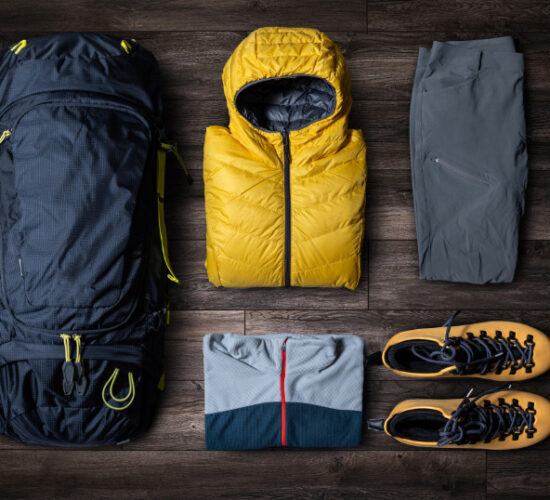
The route requires mindset, fitness, and many hours of walking. The guide uses a slow pace. The temperature at the high camp falls down to -15°C (59°F), so gear includes a sleeping bag for all weather, walking sticks, and layers. The route gives a quieter option and drier ground, and it goes through wilderness. So, the Rongai 6-day route is gentler in terrain, but altitude and limited acclimatization make it hard.
Is the 6-day Rongai Route the best option for climbing Mount Kilimanjaro?
The 6-day Rongai Route is not the best option for climbing Mount Kilimanjaro for everyone. The 6-day Rongai Route is a shortened variation of the standard itinerary. It removes the acclimatization day at Mawenzi Tarn, so the ascent is faster and the success rate is lower. However, the Rongai route is the only route that approaches Kilimanjaro from the north. It is a remote, less-crowded trail with a gradual climb and a sense of unspoiled wilderness. The route avoids the steep Barranco Wall, offers solitude, and is a good dry-season alternative. Because of this, it is a good option for trekkers who want to keep away from crowds and enjoy a quiet, scenic path.
This 6-day version is not the best option for everyone. The lack of an extra acclimatization day means climbers do not get the climb-high-sleep-low benefit, and altitude adjustment is harder. Statistics show the 6-day Rongai route has a lower success rate, with chances of reaching the summit around 75-85%. A 7-day itinerary has an extra day, which increases success to 85-90%. That is why many experts recommend the Rongai route over 7 days. The 6-day Rongai is best suited for experienced trekkers with good fitness levels and limited time, who prioritize solitude and a remote wilderness experience. For those who seek a better balance of acclimatization and summit success, the 7-day Rongai route is the better option.
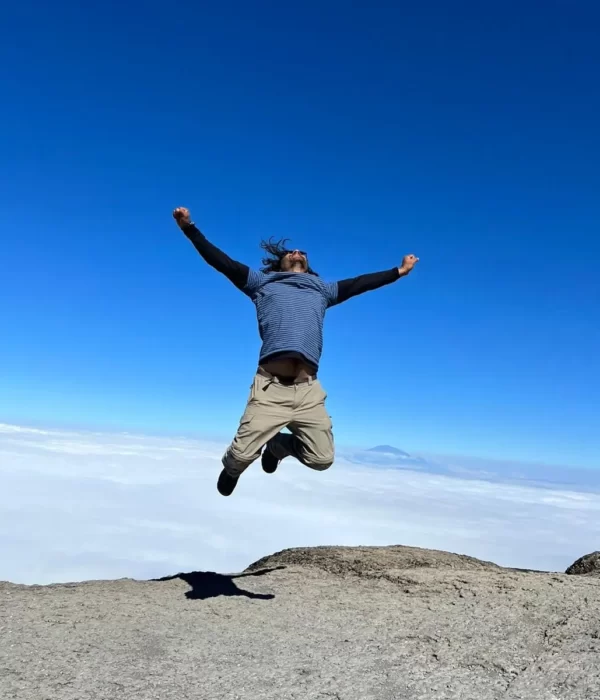
I went up Kilimanjaro via the Rongai Route on the 6-day itinerary. The route offered solitude and started through farmland and forest. I had a mild headache on day 4 but I successfully made it to the Freedom Summit. I believe an extra day would have made the trek easier.

How much does the 6-day Rongai Route cost on Mount Kilimanjaro?
The 6-day Rongai Route’s cost ranges from US $3000 to US $6000 per hiker. The price starts from $1550. A typical cost is $1500 to $3500 per person. Cost depends on group size, level of service, time of year, and tour operator. The Group Climb price is $3569 per adult sharing, and $3220 per child sharing. The Private Climb price is $5089 per adult sharing, and $4720 per child sharing. For 16+ people, the price is around $3569 per person, and the cheapest cost is $3124 per person. For 24 persons, the price is about $3569 per person, and the cheapest is $3124 per person.

Got questions about this post?
Get free tips from John to help jumpstart your Kilimanjaro journey! Whether securing a travel visa or finding your ideal tourist destination to navigating through a list full of travel insurance policies, John will help you figure out the local tourism industry.
Chat with John