Kilimanjaro is deemed safe to climb, and it is one of the safest mountains in the world. Mount Kilimanjaro is relatively risk-free compared with other mountains of the same height. It is not extremely dangerous when it is climbed responsibly. The primary dangers associated with climbing Mount Kilimanjaro include altitude sickness, extreme weather conditions, and...Read More
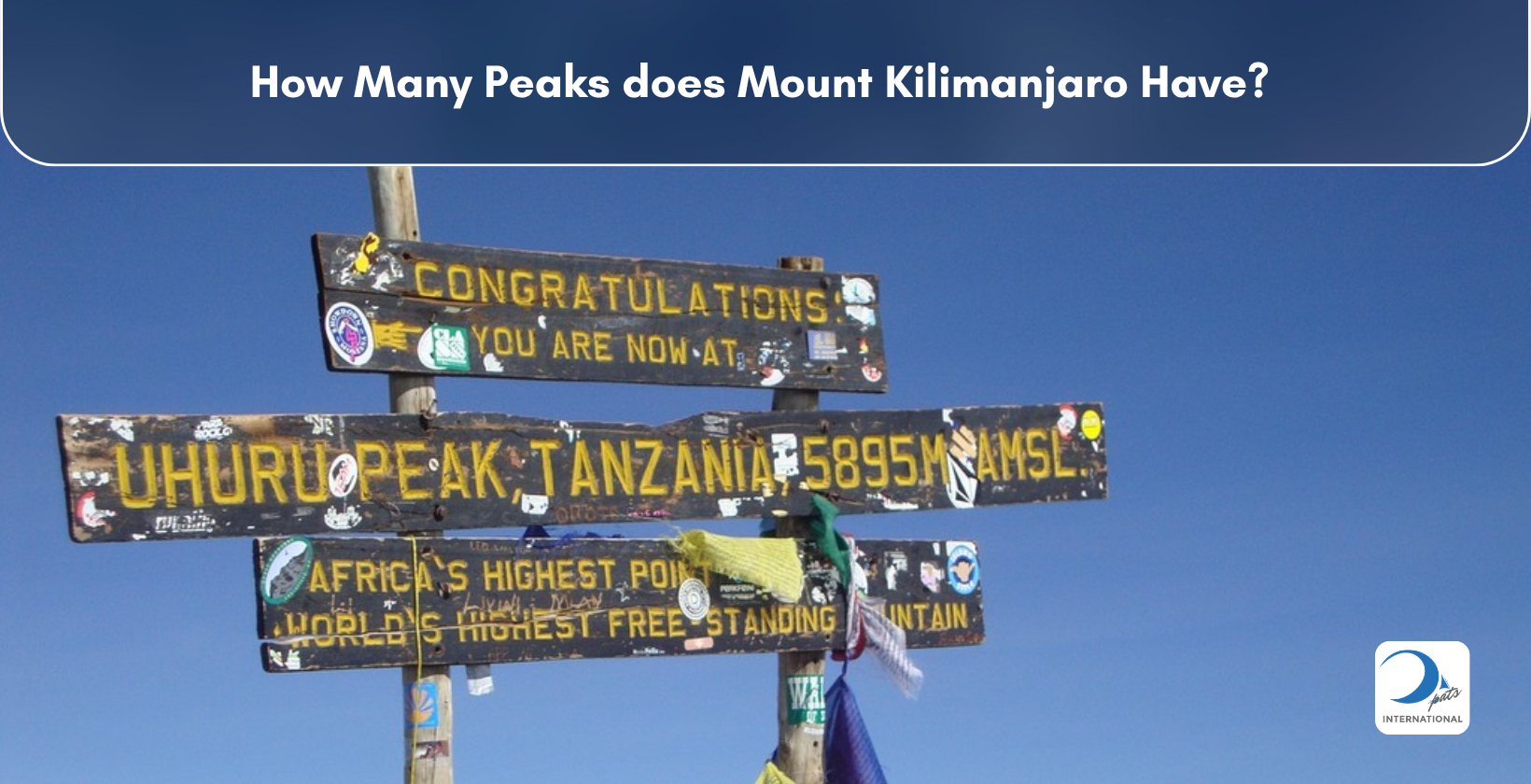
Mount Kilimanjaro has three main volcanic peaks: Kibo, Mawenzi, and Shira. Kibo cone is the tallest of Kilimanjaro’s three volcanic cones and contains three concentric craters. Crater Camp is the highest camp on Kilimanjaro at an altitude of 5,730m. Table Of Contents How many peaks does Mount Kilimanjaro have? What will you find at the...Read More
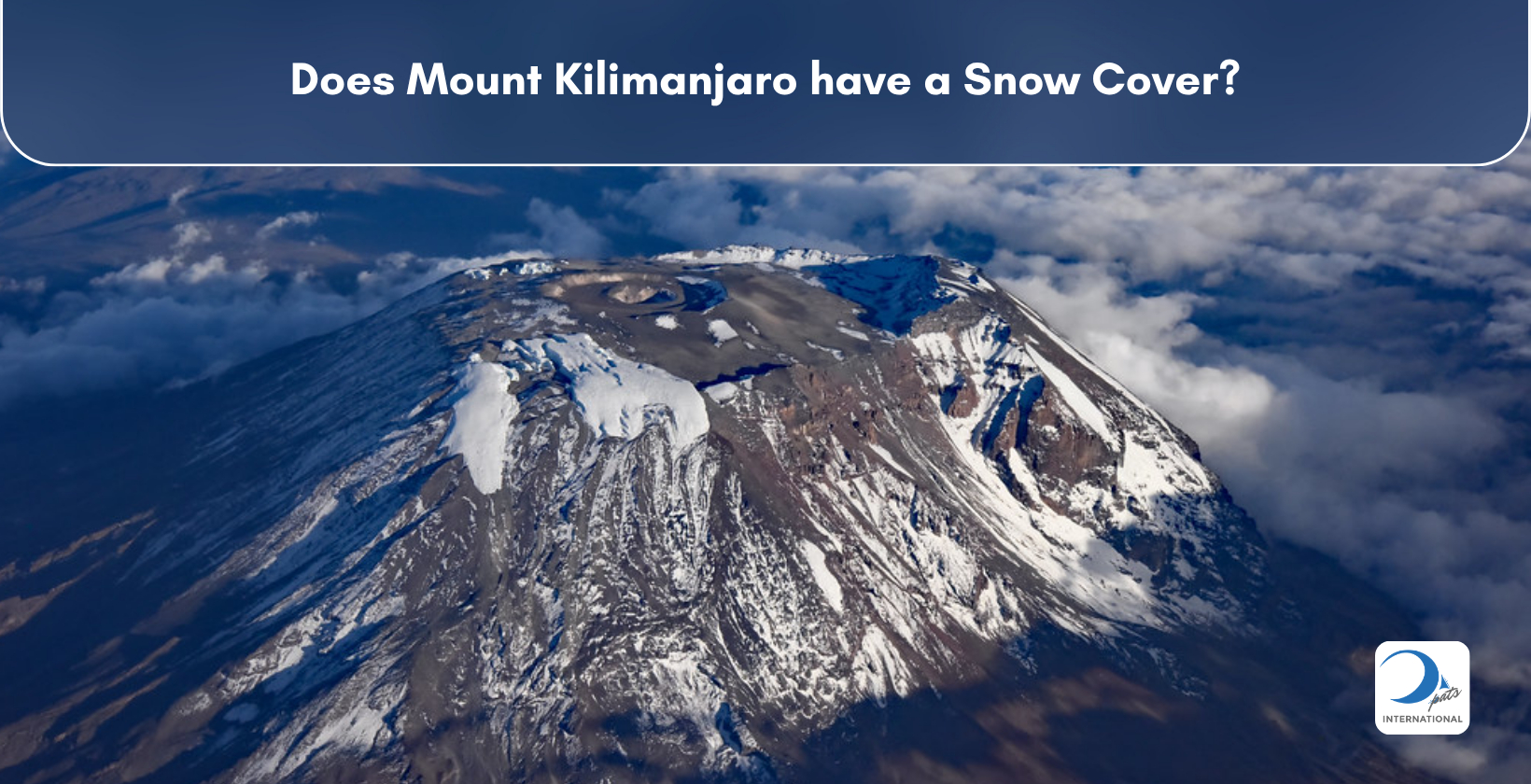
Mount Kilimanjaro’s summit is snow-capped, and snow and ice are found mainly on Kibo Peak. Snow cover builds up between February and April. The snow on Kilimanjaro is maintained by a balance between accumulation and melting, but the Kibo ice cap is melting quickly. Kilimanjaro glaciers have been shrinking since the 1880s; the ice has...Read More
The Marangu Route is often deemed the easiest Kilimanjaro Route but has a poor acclimatization profile, so success rate 40-50%. The Lemosho Route has a good acclimatization profile, which is why it has the highest success rate of 96-98%. The Rongai route has a success rate of 80%. The Lemosho route is the most scenic...Read More
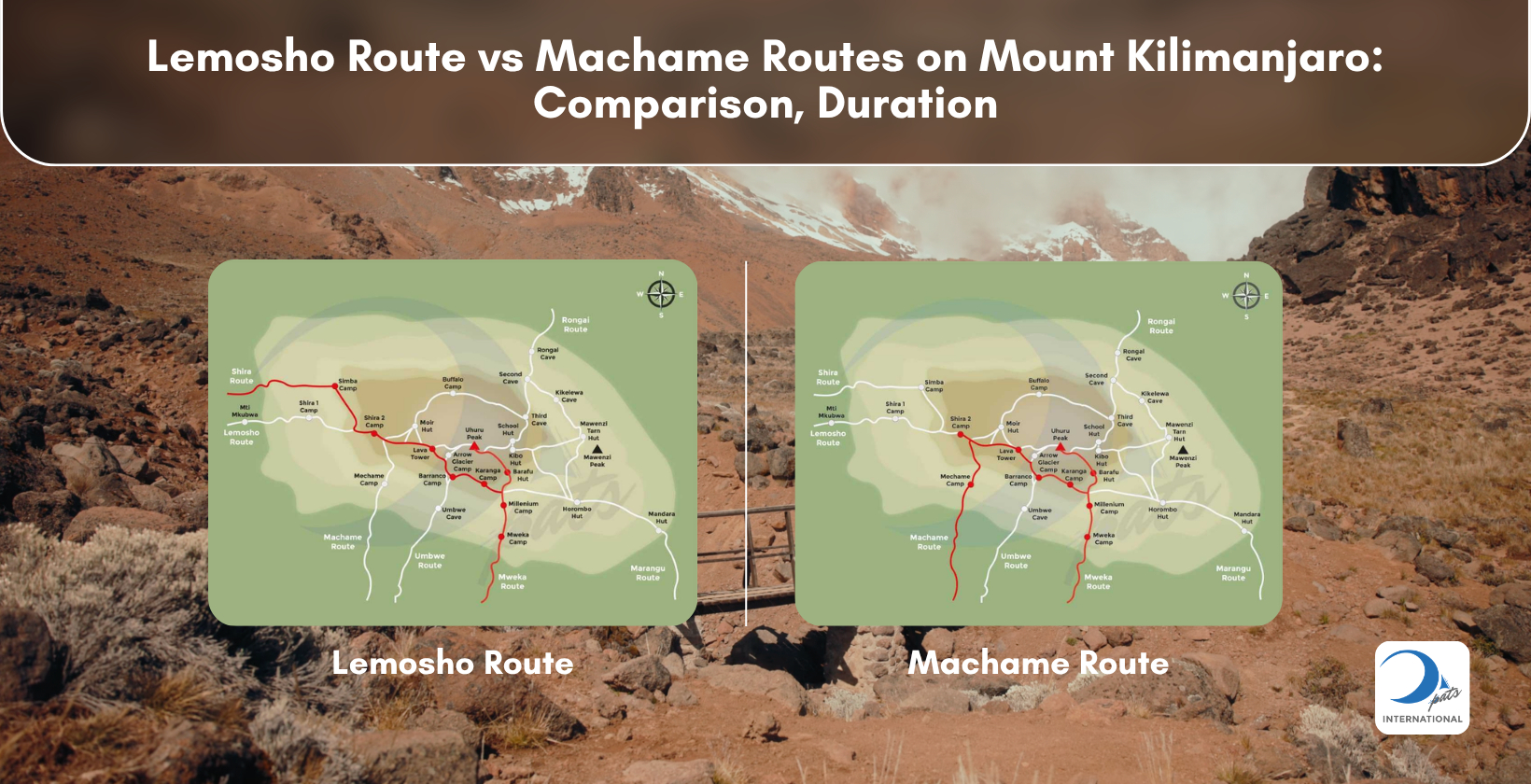
Lemosho and Machame are the two most popular and scenic routes on Mount Kilimanjaro. Lemosho is the more expensive, longer western trail known for incredible views and high success rates. Machame is shorter and steeper, approaching from the south, suitable for budget-conscious, fit adventurers. Table Of Contents What is the difference between the Lemosho and...Read More
When you book with an account, you will be able to track your payment status, track the confirmation and you can also rate the tour after you finished the tour.