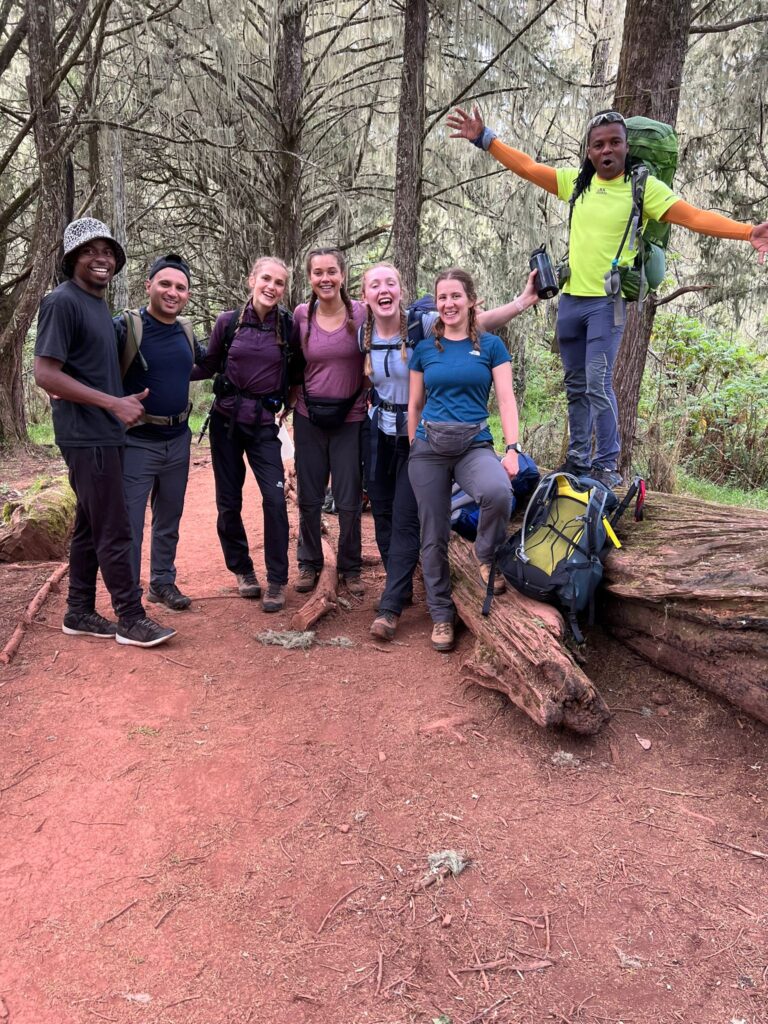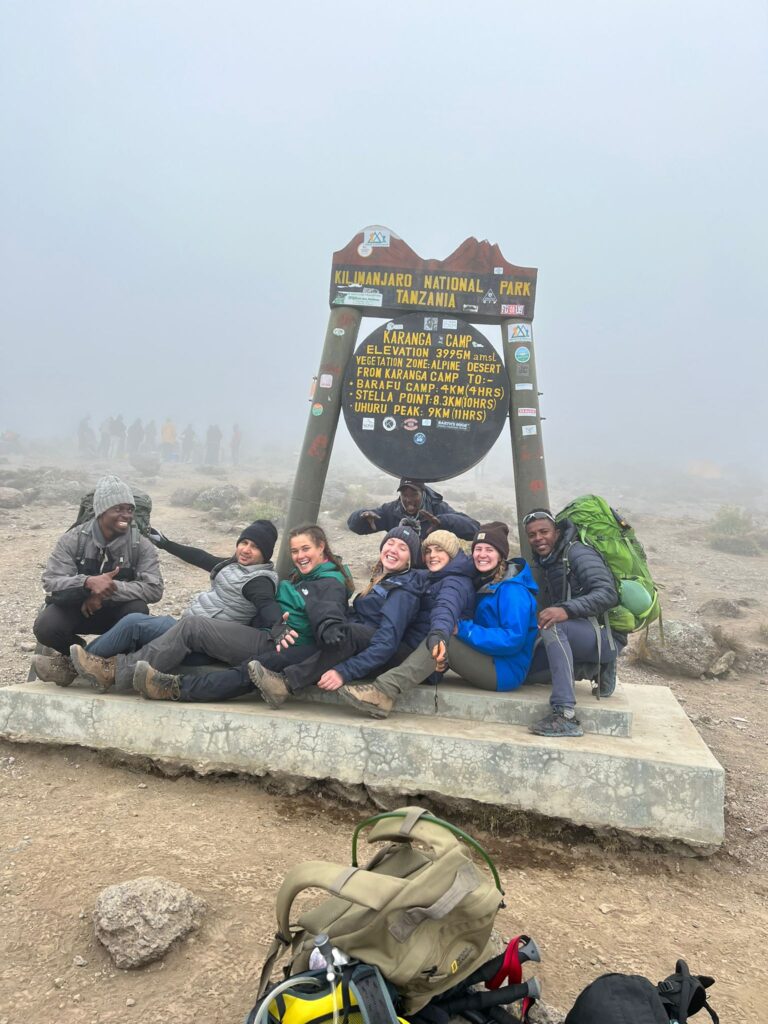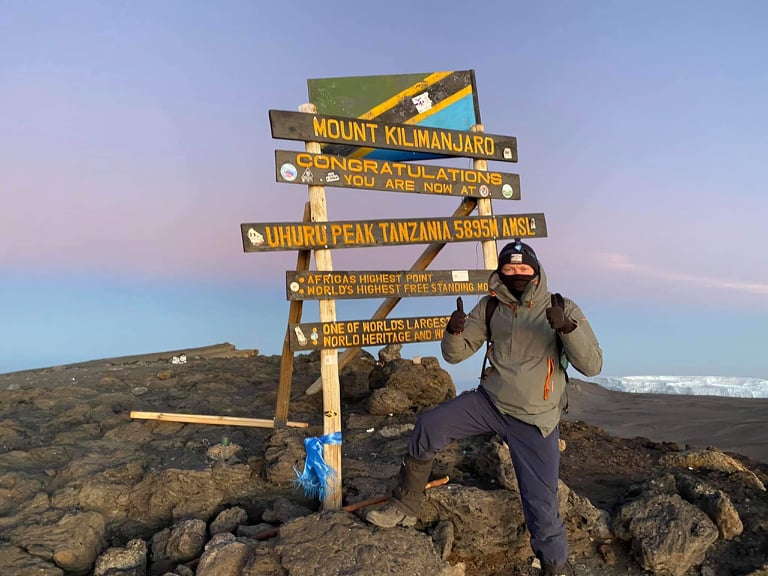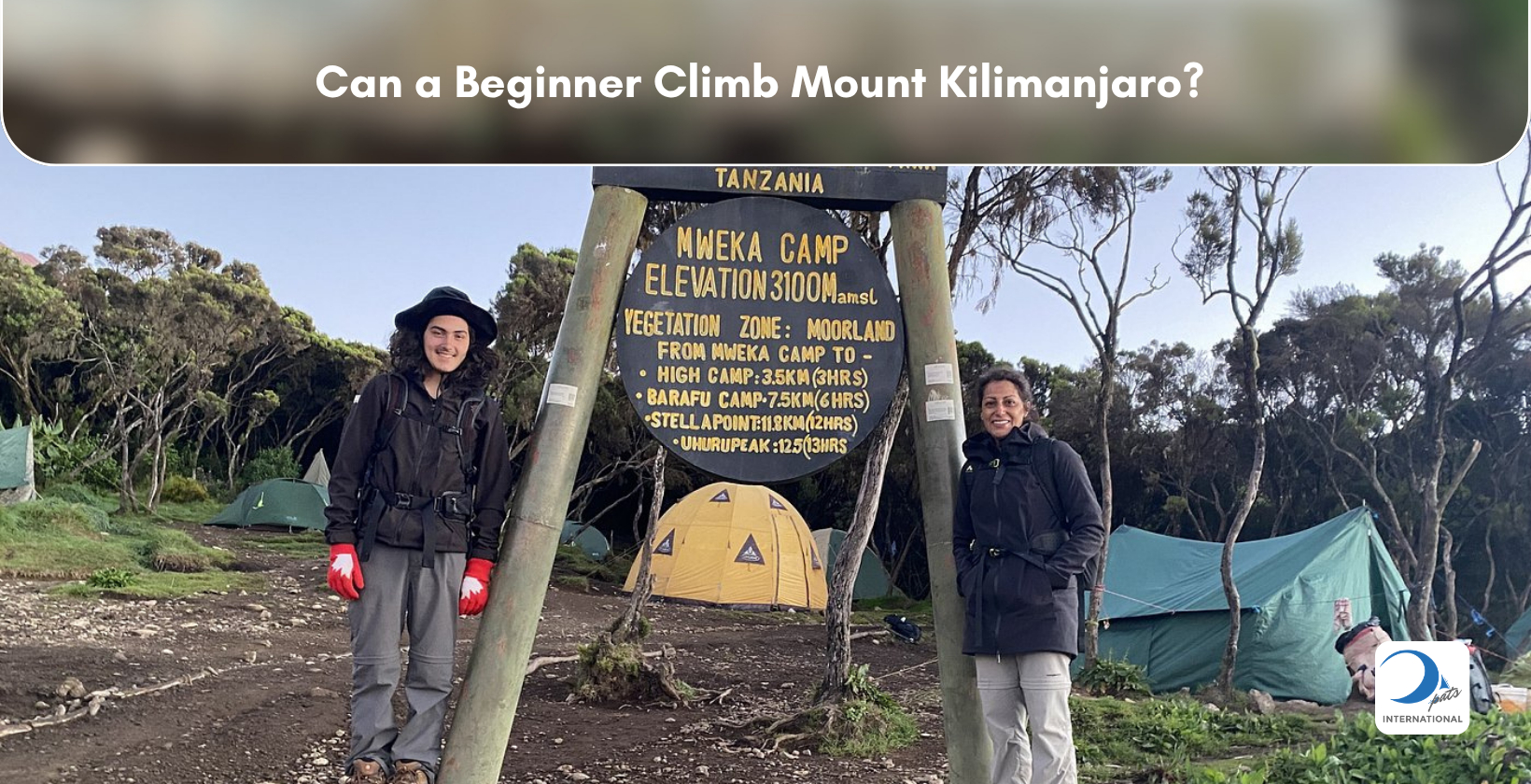
Mount Kilimanjaro is suitable for beginners. It does not require prior skills or technical abilities. However, climbing it requires months of specific preparation. Mount Kilimanjaro can be climbed by several different routes. The Marangu Route is popular for mountain huts, while Machame, Lemosho, Rongai, and Northern Circuit routes are highly recommended for beginners.
What Are Your Chances of Reaching the Summit of Kilimanjaro?

We've calculated your personalized summit success score, recommended route, and training plan. Enter your details below and we'll send it straight to your inbox.
Enter your details and we'll email your personalized summit success score, recommended route, and training plan.
🔒 No spam. Your details are kept private and never shared.
Check your inbox!
Find your personalized assessment plan.
Can a beginner climb Mount Kilimanjaro?
Yes, a beginner can climb Mount Kilimanjaro. Mount Kilimanjaro needs minimal skills, and does not require technical climbing expertise. The hike has no rock faces and no glaciers. The challenge is the high altitude because the summit is at 6 km (3.7 miles) high.
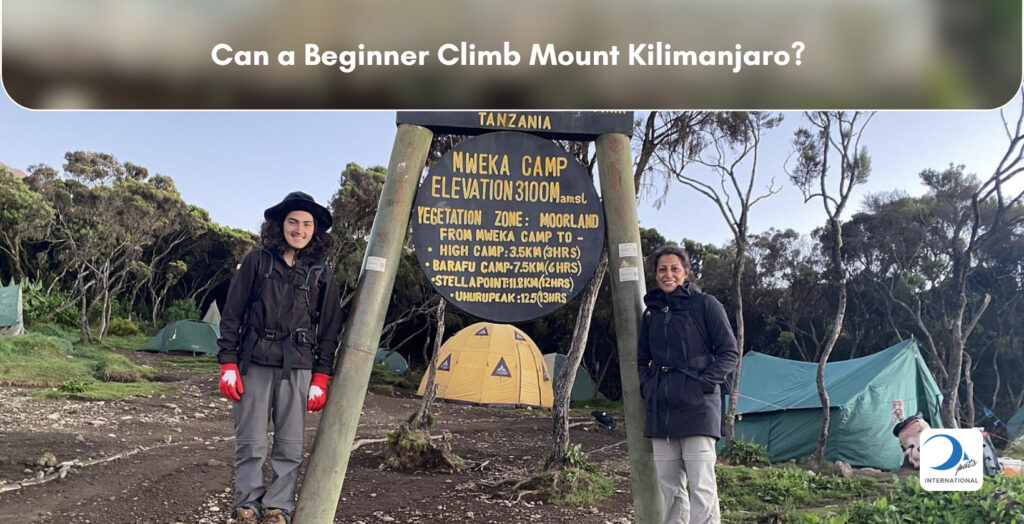
High-altitude difficulty must be assessed. Physical conditioning helps the climber, and training needs 8-12 weeks. Training covers walking uphill, weighted packs, and increasing endurance. Slow pacing and longer itineraries help climbers. Prior hiking knowledge is not mandatory. The 8-9 day Northern Circuit has a 90-92% success rate. The Lemosho path has a 96-98% success rate and takes 7-8 days. The 5-6 day trek has a 42-60% success rate. The Umbwe route is the hardest. Feeling sick from high elevation, poor acclimatization, and poor fitness can lead to failure. TANPA (Tanzania National Park Authority) law requires that climbers be accompanied by guides who monitor climbers’ health and speed. Kilimanjaro’s summit night has half the oxygen compared to ground level, with an average temperatures’ range from 50°F to 68°F (10°C to 20°C).
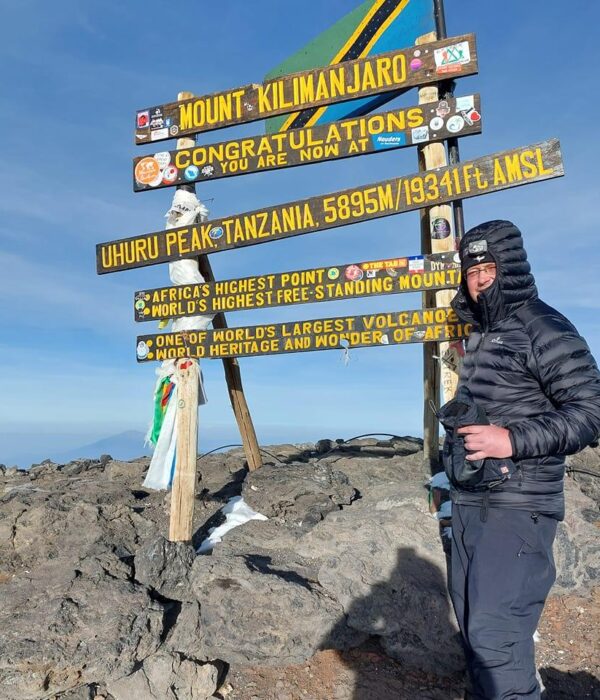
What should you know before climbing Mount Kilimanjaro?
Mountaineering on Kilimanjaro is non-technical, yet needs preparation. Altitude has the greatest risk for safety, with about a thousand rescues annually and approximately ten fatalities per year. About 50,000 climbers try the summit, and getting sick from high elevation is possible. Altitude affects everyone differently, regardless of how fit you are at low altitudes.
Minimum routes take nearly a week, but about a week and a half is recommended for acclimatization. Each additional day raises the chance of reaching the top. The best routes include the 8-day climb via Lemosho, the seven-day Machame path, the nine-day Northern Circuit, and the week-long Rongai trail. Shorter itineraries raise the chance of not succeeding and raise danger.
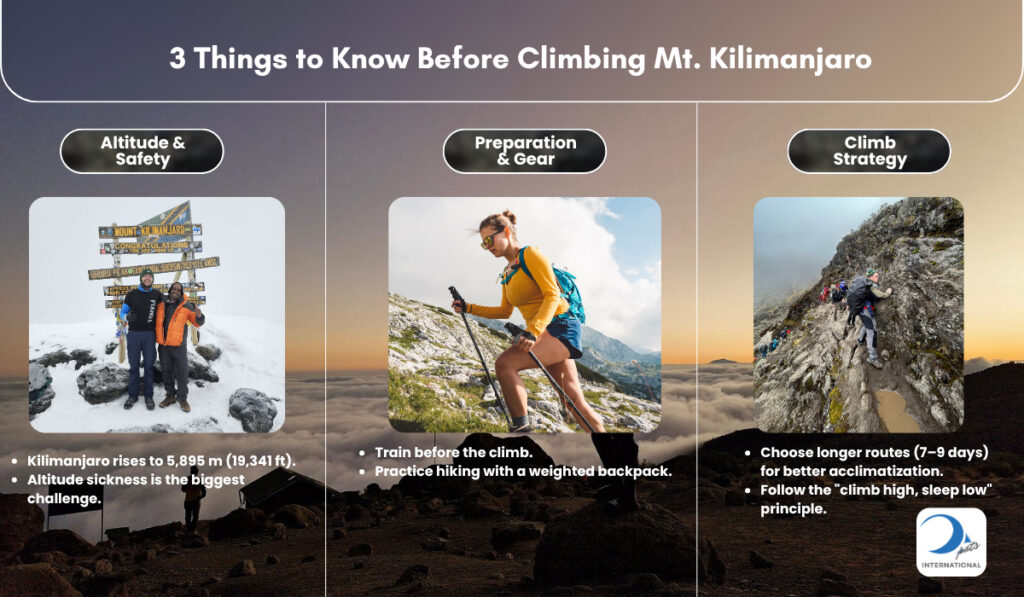
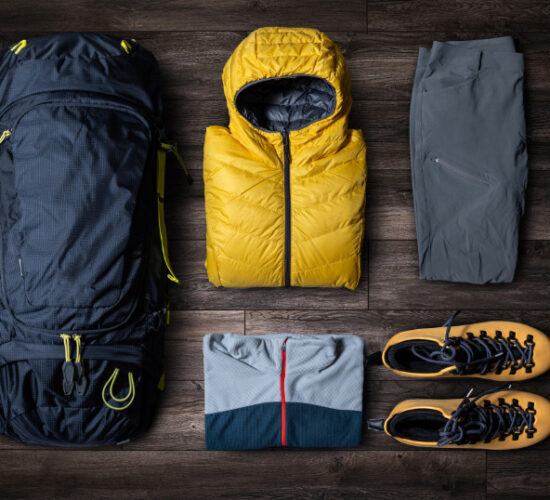
Required gear includes a sleep sack rated 0°F (-18°C), multiple layers of clothes, hiking sticks, warm coats, and waterproof jackets. Training begins months in advance. A beginner mountaineer focuses on aerobic foundation training, walks with a weighted pack up to 25 pounds (11.34 kilograms), works out on stairs, and trains on inclined terrain. The goal is to climb about half a mile with an extremely heavy load in three hours. Consecutive practice climbs get the body ready for the big climb. Adjusting to altitude methods includes walking slower, consuming about a gallon of water daily, and eating regularly. Strategies for adapting include choosing routes with gradual steepness of the path, because the ‘climb high sleep low’ principle works on certain routes. Preparation includes consultation with a physician about Diamox, which is acetazolamide. Diamox begins 24 hours before ascent, and the amount to be taken is 125mg twice daily. It helps with inflammation and with sleep at altitude. A Yellow Fever shot is required, and medication to prevent malaria must be discussed.
The final ascent begins around midnight. The climb to the summit takes roughly five and a half to six hours to Stella Point lookout, and the rest of the climb needs just over five hours to the top point. Climbing takes you through five weather regions: farmed land, rainforest, heath, moorland, high mountain barren land, and a frozen peak. Rocky ground and scree terrain defines the upper mountain but no technical rock climbing is needed. You need patience, steady breathing, and mental toughness. Tips include protecting lips with sun protection lip balm, covering lips with a balaclava on the final ascent night, using heavy moisturizer for skin, and visiting a portable restroom shelter before bed. Frequent urination occurs from hydration and high altitude effects.

How to plan a trip to Mount Kilimanjaro?
To plan a trip to Mount Kilimanjaro follow the steps listed below.
- Pay attention to route selection
- Pay attention to physical preparation
- Pay attention to gear
- Obtain permits
- Start training eight to twelve weeks before departure
- Drink about 9 gallons of water daily
- Use ‘climb high sleep low’ principle
Mount Kilimanjaro has a height of about 3.7 miles and is the highest mountain. To plan a trip, you need to pay attention to Kilimanjaro requirements: permits and a licensed guide are mandatory. Permits come from the Kilimanjaro Park management office and cover park admission costs, site charges for tents, staff costs, and emergency costs. A third party often obtains these permits for you. The best time is the dry seasons, January to early March and June to October. Hikers fly into Kilimanjaro International Airport (JRO) and stay in Arusha or Moshi. Costs range from $3000 to $32,000, depending on the route, travel company, duration, and comfort level. When choosing a tour company, check reviews to guarantee guides have extensive experience and training in wilderness first response, and that they carry protective gear like medical kits and oxygen.
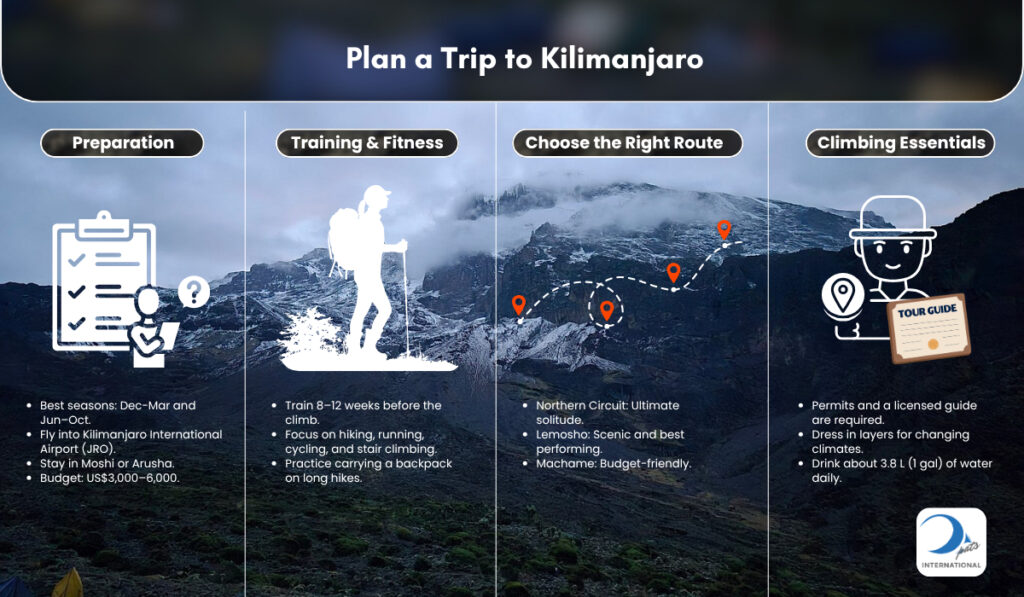
Kilimanjaro is accessible to beginners, but they need good general fitness. Hikers should start training eight to twelve weeks before departure. Training focuses on cardiovascular exercises: hiking, cycling, running, and climbing stairs. It includes core exercises, weight training for the back, walking drills, resistance exercises for shoulders, and leg workouts. Practice walks lasting 5 to 10 hours with a backpack are needed. Mental preparation is important for the final climb. Some climbers prepare by climbing Mount Meru, which has a height of about 4.56 kilometers (2.83 miles).
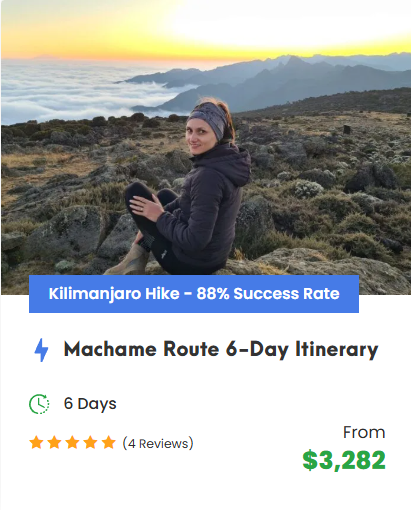
Selecting a tour needs attention to route selection, because this affects acclimatization and summit success. The Lemosho Route takes 7 to 8 days and has a success chance of 85 to 90%. The Machame Route takes one week, with an 80 to 85 percent chance of reaching the top. The North Route is one of the best, lasting 8 to 9 days, with chances of 90 to 92%. Beginners like longer itineraries, which is why 7+ day routes produce best outcomes for novice climbers. The principle of ‘climb high sleep low’ aids acclimatization, due to better adaptation to low oxygen near the summit (9.5% compared to 20.9% at ground level).
Gear must fit the heights of the climb, covering zones like rainforest, icy peaks, and high-altitude rocky areas. Clothing demands layers: the under layer is wick, the midlayer insulates, and the outer shell is windproof and waterproof. A sleeping bag must maintain a temperature of 0°F (-17 C). Porters carry large bags up to 33.07lb (15kg) and hikers carry a daypack of 30 to 40 liters (7.93 to 10.57 gallons). Tips for climbing include drinking about 3.8 liters (1.0 gallons) of water daily, walking very slowly, eating enough, and communicating symptoms to guides. Diamox helps with mountain sickness. The main climb starts at midnight with uphill climbing at temperatures of 50°F (10°C) in the evening and -4°F (-20°C) at night.
What is the best Mount Kilimanjaro journey route?
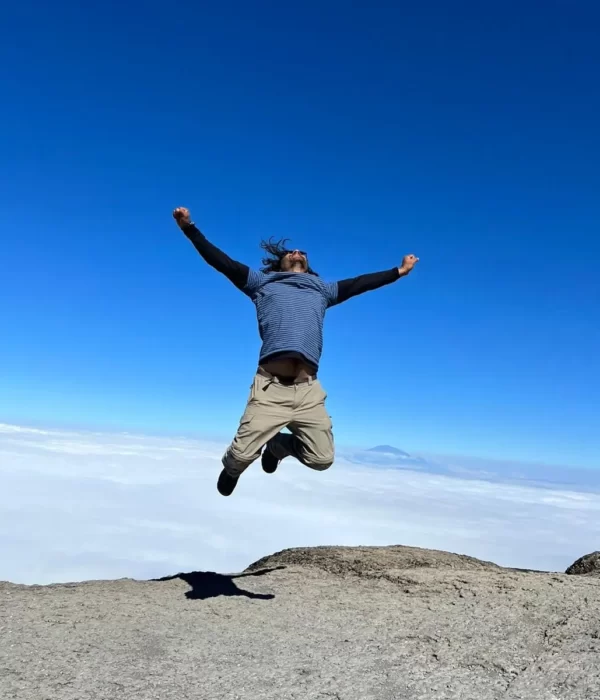
The Northern circuit is the best Mount Kilimanjaro journey route. The route covers about 61 miles (about 98 kilometers) and takes about a week and a half. It starts in the forest at Londorossi entrance, at about 6,900 feet (2,103 meters), and follows the Lemosho path initially. Then it crosses northern slopes and goes through diverse ecosystems: from forest to treeless, brushy area, then high altitude grassland, and high mountain barren zone. This path around the northern side offers panoramic views of Kenyan grasslands and northern frozen areas of ice. The northern circuit has a pattern for adjusting to altitude with gradual ascent. The summit success rate is 19 out of 20. Guides suggest longer itineraries, and trips lasting 8 to 9 days boost the success of reaching the top. The Northern circuit balances crowds, scenery, and chances of success.
How do you get down from Mount Kilimanjaro?
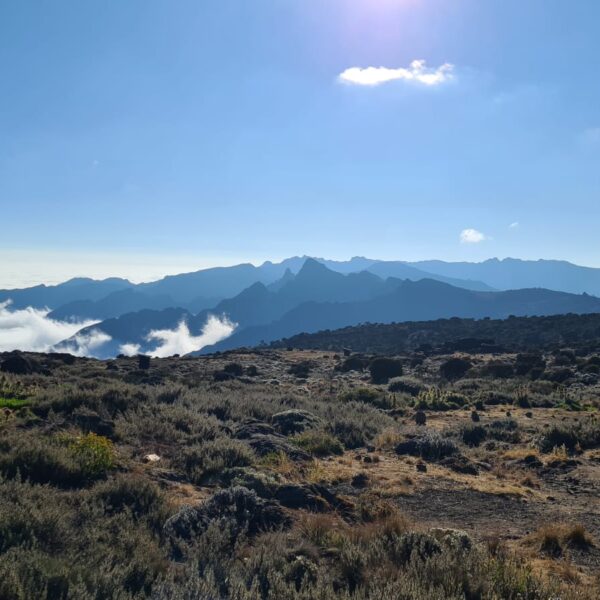
The descent from Mount Kilimanjaro depends on the route. The main way down is the primary way down for Lemosho, Shira, and the Northern Circuit, which use the Mweka route. Mweka route serves five paths. The Marangu trail uses the identical path for ascent and descent, so it goes up and down the eastern slope. The Rongai path comes from the northern slope and goes down via Marangu trail.
Descent from the crater to Mweka base camp covers 4.2 miles (6.8 kilometers) and has a drop in height of 3 kilometers (1.9 miles). Kilimanjaro’s crater to Mweka base camp takes seven hours, or half a day. From Mweka Camp to the Mweka exit point, the descent covers 4.35 miles (7 km), has a drop of 4,265 feet, and takes 6 hours (a quarter of a day). Kilimanjaro’s total height drop from the summit, rising to 19,341 feet (5,895 meters), to the entry point at about 1,798 meters (5,900 feet), is about 13,451 feet (4,100 meters). Going downhill puts stress on joints and proper technique stops knee pain and prevents injury.
Who was the first person to climb Kilimanjaro?
The first recorded people to successfully climb Mount Kilimanjaro were German geographer Hans Meyer and Austrian mountaineer Ludwig Purtscheller on October 6, 1889.

Got questions about this post?
Get free tips from John to help jumpstart your Kilimanjaro journey! Whether securing a travel visa or finding your ideal tourist destination to navigating through a list full of travel insurance policies, John will help you figure out the local tourism industry.
Chat with John